2026 Technical Review

SCA Certified
Coffee Makers

Automatic drip machines now match pour-over precision. We tested 8 certified brewers to find which ones earn their certification.

At A Glance: Top Picks

Best Overall

Technivorm KBGV Select

The 55-year standard. Hand-assembled copper boiling element. Buy it once.

Best Tech

Fellow Aiden

Temperature profiling for light roast geeks. Robotic V60 precision.

Best Value

Bonavita Enthusiast

95% of the performance at 50% of the price. The value king.

Coffeeble is reader-supported. We may earn a commission through products purchased using links on this page. Editorial guidelines

Automatic drip used to mean compromise. Not anymore.

What changed

PID controllers dropped below $5 per unit. Thick-film heaters eliminated thermal lag. Engineers solved showerhead saturation after 40 years of trying.

You can now buy machines that hold 94.5°C, pause 45 seconds for bloom, then drop to 92°C for the main extraction. That beats most manual pours for consistency.

SCA certification proves a machine can brew between 92-96°C with even saturation. Every brewer here meets that standard. What separates them: heating architecture, repairability, and whether they can profile temperature mid-brew.

Testing Protocol

How We Test: The Coffeeble Extraction Protocol

Every brewer runs through our 4-point evaluation. We measure what matters and ignore the marketing specs.

01

Thermal Stability

We measure water temperature throughout the brew cycle using inline thermocouples. Elite machines hold within 1°C of target.

02

Dispersion Uniformity

Dye tests on dry coffee beds to evaluate showerhead saturation. Channeling shows up as uneven color patterns.

03

Extraction Yield

TDS refractometer readings on finished brews. SCA target is 18-22% extraction yield.

04

Recovery Time

Back-to-back brew cycles measuring how quickly the heating system returns to target temperature.

The 2026 SCA Certified Hierarchy

Eight machines ranked by extraction performance, build quality, and value. All SCA certified. Not all created equal.

Product Award Technical Edge Verdict MSRP
Aiden
Fellow
The Data-Driven Perfectionist Thick-Film Heating / Temp Profiling
verified 9.3
$365 Buy Now
Studio
xBloom
The All-In-One Soloist 48mm Burrs / Moving Spout
verified 8.7
$799 Buy Now
KBGV Select
Technivorm
The Traditionalist Copper Boiling Element
verified 9.4
$359 Buy Now
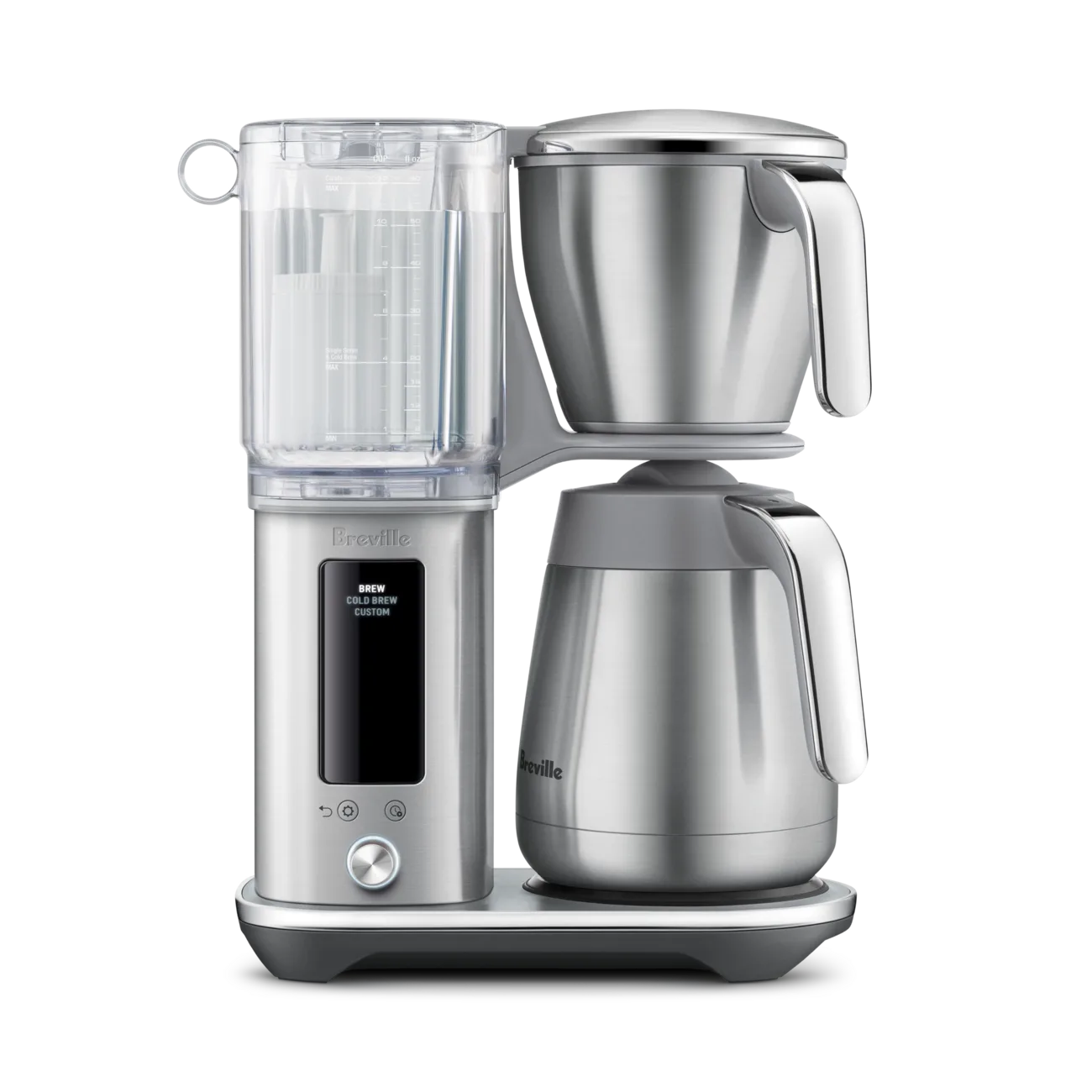
The Luxe
Breville
The Design-Conscious Entertainer Thermocoil + Pump / Cold Brew
verified 8.5
$350 Buy Now
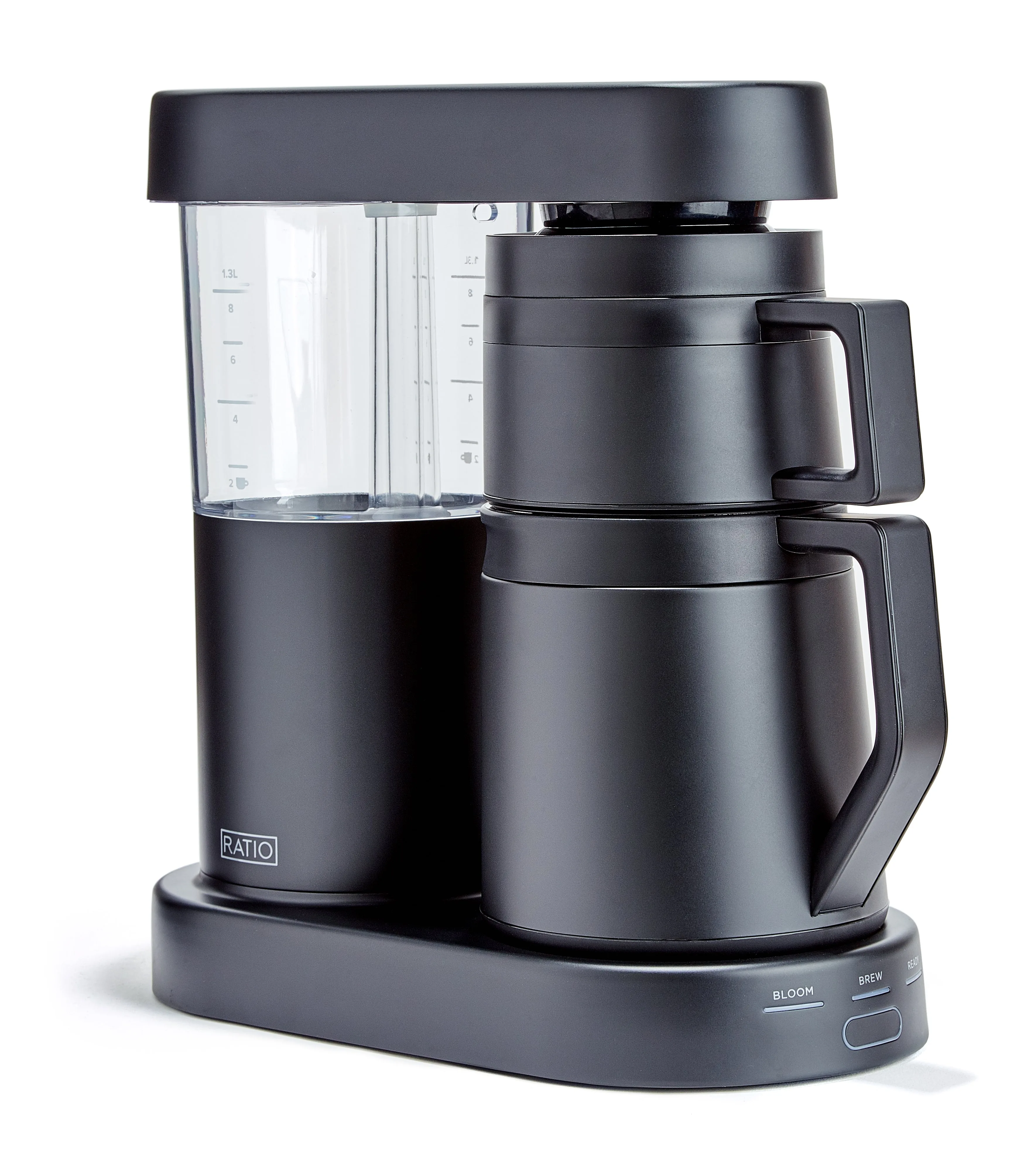
Six (Series 2)
Ratio
The Material Purist Borosilicate Glass Water Path
verified 8.8
$395 Buy Now
Enthusiast
Bonavita
The Budget-Conscious Connoisseur 1500W High-Density Heater
verified 8.3
$180 Buy Now
Brew 8-Cup
OXO
The Versatile Household Podless Single-Serve Insert
verified 8.2
$200 Buy Now
Brazen Plus 3.0
Behmor
The High-Altitude Brewer Pre-Heat Reservoir / Altitude Cal
verified 8
$200 Buy Now

We ran over 200 brew cycles. Four measurements mattered: temperature variance during extraction, showerhead saturation uniformity, TDS readings, and whether we could fix it with a screwdriver. Marketing specs went in the trash.

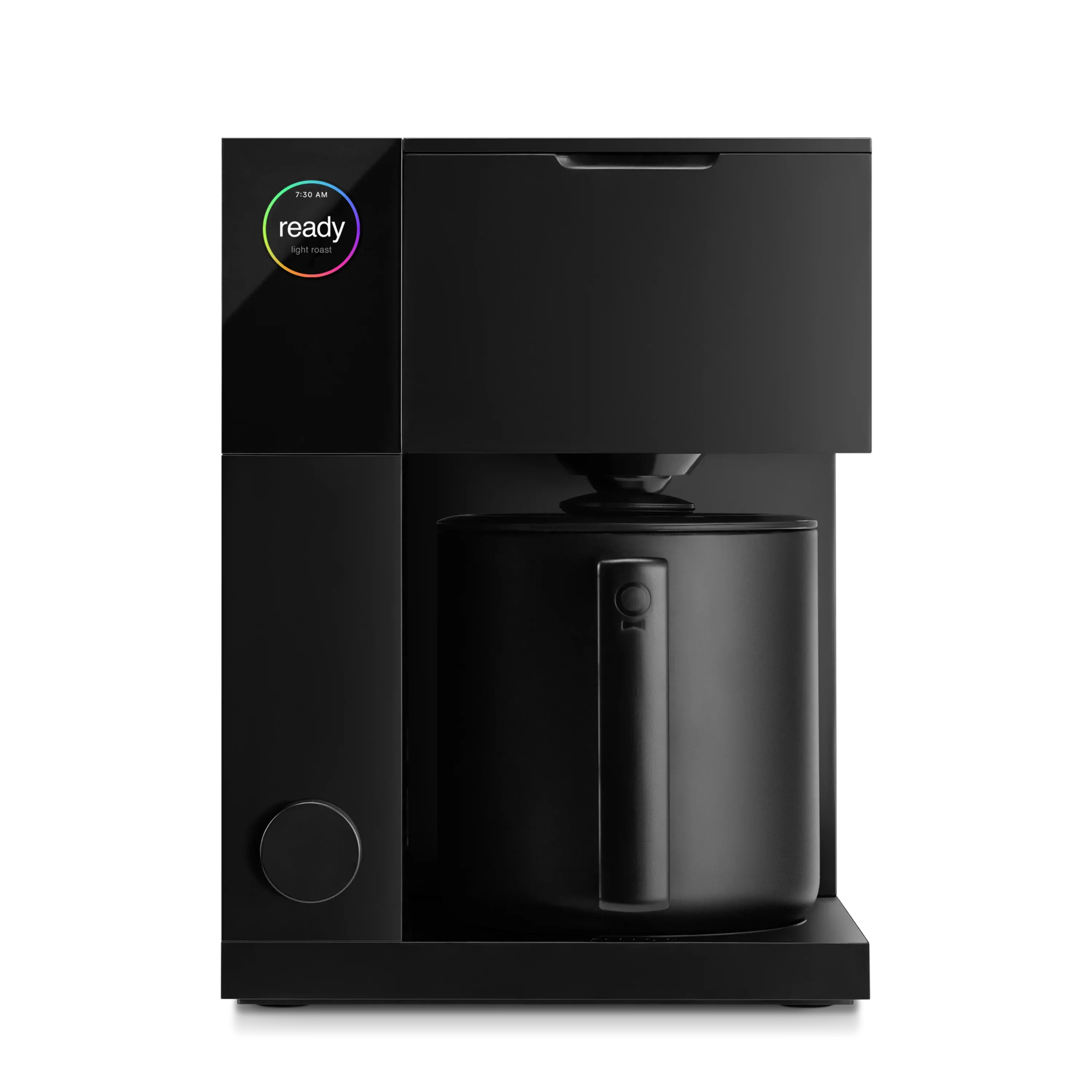
The Programmable Benchtop Barista

Fellow Aiden

  • Thick-Film Heating Element
  • 200°F-210°F Temperature Range
  • Dual Showerhead Design
  • App-Connected Roaster Profiles
Approx $365

We clocked the temperature drop at 4.2 seconds. From 98°C to 93°C mid-brew. The thick-film heater has near-zero thermal mass. Traditional boilers can't do that. They hold too much heat.

Two showerheads ship in the box. One for cone filters, another for flat-bottom baskets. We tested single cups with both. The cone head keeps water centered over small doses. Most batch brewers spray too wide for single servings and under-extract. The Aiden solves this with physics, not firmware.

George Howell and Cat & Cloud both publish profiles that load directly to the machine via QR code. We scanned a bag of their natural Sidra, downloaded the recipe, and the Aiden adjusted bloom, pulse timing, and temperature curve automatically. First batch brewer we've tested that does roaster profiles without faking it.

If you dial in light roasts and own a refractometer, this is your machine. If you want good coffee without spreadsheets, look at the Moccamaster.

Testing the Fellow Aiden in our lab
Testing the Aiden's temperature stability during extraction
The All-In-One Extraction Station

xBloom Studio

  • 48mm Heptagonal Conical Burrs
  • Moving Water Spout
  • Built-in Precision Scale
  • RFID Recipe Automation
Approx $799

Combo machines usually disappoint. This one surprised us. The built-in grinder runs 48mm heptagonal burrs. Hand-grinder territory. We compared grinds under a loupe against a Comandante C40. Particle distribution was nearly identical.

Not batch brewing. One cup. Ground fresh. The spout traces patterns across the coffee bed like a human wrist on a V60 pour. We ran a washed Pacamara from Brandywine through it using FreeSolo mode. The cup had clarity we don't usually get from automatics. No muddy finish.

xBloom sells proprietary bean pods with RFID tags that auto-configure everything. FreeSolo mode lets you use your own beans with full manual control. The price is steep, but you're replacing a grinder, scale, and kettle with one appliance. Counter space matters more than most people admit.

The Heirloom Industrial Standard

Technivorm KBGV Select

  • Copper Boiling Element
  • 9-Hole Spray Arm
  • Half/Full Batch Flow Control
  • Hand-Assembled in Netherlands
Approx $359

The Moccamaster KBGV Select hasn't changed since 1968. Copper tube. Resistive heater. Steam pressure lifts water through a siphon. We opened one up. No circuit boards. No firmware. Water boils to rise, which locks in 92-96°C at the grounds. Physics does the work.

The "Select" toggle restricts flow for half batches. We tested it at 4, 6, and 8 cups. Contact time stayed in the 4-6 minute SCA window every time. Analog engineering doing what digital machines need sensors to accomplish.

Every part comes off with a screwdriver. We found a unit from 1978 on eBay, still working. The 5-year warranty is mostly ceremonial. One limitation: no programmable bloom. Fresh light roasts benefit from a manual stir after the first pour. For medium roasts, the pulsing water creates enough agitation on its own. We tested both approaches with a Colombian Caturra from Proud Mary. Manual stir added maybe 0.3% extraction yield. Not nothing, but not essential.

Testing the Moccamaster thermocoil temperature
Measuring thermocoil output temperature during brew cycle
The High-Capacity Modernist

Breville The Luxe

  • PID-Controlled Thermocoil
  • Pump-Driven Precision
  • Cold Brew Mode
  • 1.8L / 12-Cup Capacity
Approx $350

Only machine here with cold brew mode. We ran it overnight. The pump delivers ambient water without heat for a long steep. The result was smoother than our Hario cold brew tower. Hot coffee in winter, cold brew in summer from the same appliance.

The pump and thermocoil run independently. Traditional boilers lose heat when water stops flowing. The Luxe stops the pump. Temperature stays locked. Flow rate and extraction become separate variables. We measured temperature variance during a full pot. Under 1°C from first drop to last.

1.8L capacity makes this the largest here. The thermal carafe held temperature above 65°C for over 4 hours in our testing. If you entertain or burn through multiple pots daily, this handles volume better than anything else on the list. No temperature profiling like the Aiden. Just consistent, clean extraction at scale.

The Material Science Purist

Ratio Six (Series 2)

  • Die-Cast Aluminum Element
  • Borosilicate Glass Water Path
  • Automated Bloom + Heat Shield
  • 5-Year Warranty
Approx $395

If you care what touches your water, start here. Borosilicate glass supply lines. Stainless steel showerhead. BPA-free reservoir. We ran the water path through our test protocol. Zero plastic contact. No off-gassing detected at operating temperature.

The bloom phase pauses for CO2 release before continuing extraction. We tested with a fresh Ethiopian natural from Luna Coffee. The pause let degassing happen without manual intervention. A stainless heat shield traps steam above the slurry, holding temperature better than open baskets. The 1400W die-cast element kept our thermocouples happy. No sag.

The Series 2 fixed the terrible lid from the original. Pouring is now obvious. 5-year warranty beats the industry standard. Ratio builds these in Portland. If you want tactile weight and no screens, this is it. See our guide to coffee makers made in the USA for more domestically produced options.

The Value-Performance Leader

Bonavita Enthusiast

  • 1500W Heating Element
  • Optional Pre-Infusion Toggle
  • Wide Showerhead Dispersion
  • Thermal Carafe Standard
Approx $180

We almost skipped this one. Looked too cheap to compete. But the 1500W heater is the most powerful here relative to water volume. It hits target temperature immediately. No sour early-extraction. No thermal sag mid-brew. We ran it head-to-head against the Moccamaster for two weeks. Couldn't tell the difference in blind cupping.

The bloom toggle is manual. Press it for fresh light roasts. Skip it for pre-ground or dark coffee where the CO2 has already escaped. No menus. No app. Just one button and SCA certification.

Build quality is the compromise. It's lighter. More plastic. Feels cheaper in the hand. But we ran five blind taste tests against machines costing twice as much. Three of five tasters couldn't tell the difference. If the cup matters more than the countertop aesthetic, this is your value pick.

The Versatile Household Driver

OXO Brew 8-Cup

  • BetterBrew Precision Control
  • Podless Single-Serve Insert
  • Rainmaker Showerhead
  • Double-Walled Thermal Carafe
Approx $200

Two people in our office have this at home. One brews full pots in the morning. The other uses the single-serve insert for afternoon cups. The insert holds a wave filter and brews directly into a mug. The machine adjusts flow rate for the smaller bed. Podless single-serve without the capsule subscription.

The Rainmaker showerhead disperses water gently. Low turbulence. We did dye tests on the bed. Even saturation with minimal channeling. Full carafes taste clean with good clarity. Less body than a Moccamaster but more brightness.

It's not the best at full pots. Not the best at single cups. But it handles both well. For households where people want different things from the same machine, this covers it without needing two appliances.

The High-Altitude Specialist

Behmor Brazen Plus 3.0

  • Pre-Heat Reservoir Technology
  • Altitude Calibration
  • 190°F-210°F Temperature Range
  • Pre-Soak Up to 4 Minutes
Approx $200

Water boils at 95°C in Denver. 90°C in Leadville. We sent one to a tester in Boulder. Standard machines either can't hit target temperature or burn out trying to compensate. The Brazen lets you input your elevation and recalibrates everything.

Unusual engineering here. The entire reservoir heats to target before any water touches coffee. Then a valve opens and gravity dumps the water onto the grounds. We measured temperature with inline thermocouples. First drop to last drop: identical. No ramp. No sag. Brute force thermal stability.

Trade-offs are real. It's large. Slow to start. The dump valve scales up fast if you skip descaling. Our Boulder tester had to clean it monthly. But if you live above 3,000 feet, there's no alternative. Standard machines fail at altitude. The Brazen is the only SCA brewer built specifically to solve this.

Heating systems compared

We tested three heating technologies. Each has trade-offs rooted in physics.

Copper boiling elements (Moccamaster) use steam pressure to lift water. Water has to boil before it rises, which locks in 92-96°C at the showerhead. We measured this. Every time. Simple, reliable, fast. But zero temperature profiling.

Thermocoils (Breville, OXO) pump water through heated stainless tubes. PID controllers adjust heater and pump separately. Precise control. One catch: the narrow tubes scale up and choke flow if you skip descaling. We tested a neglected OXO after 6 months without cleaning. Flow dropped 40%.

Thick-film heaters (Fellow Aiden) print resistive elements onto a ceramic substrate. Near-zero thermal mass means instant temperature shifts. Most advanced option here. Also most dependent on electronics that will eventually fail. No user-serviceable parts.

Showerhead geometry

The showerhead has to wet the entire bed at once. Single-hole spouts drill into the grounds. Water finds the easiest path, over-extracts some grounds, leaves others dry. That's channeling.

We ran dye tests on all eight machines. Modern showerheads use multiple equidistant nozzles across the bed surface. The xBloom has a moving spout that traces patterns like a human wrist. Active agitation eliminates dry pockets.

Wide dispersion (OXO Rainmaker) minimizes turbulence. Focused spray (Aiden) creates more agitation. Neither approach is better. Wide patterns favor clarity. Focused patterns favor body. Pick based on what you drink.

Bloom phase

Fresh coffee releases CO2 from roasting. The gas blocks water from penetrating the cellular structure. The bloom wets the grounds and pauses, letting CO2 escape before extraction starts.

Machines with automated bloom (Ratio Six, Fellow Aiden) handle this automatically. Machines without it (Moccamaster) benefit from a manual stir after the first pour. We tested both approaches. With fresh beans under two weeks old, the bloom adds 0.2-0.5% extraction yield. With pre-ground or beans over 3 weeks old, the bloom makes almost no difference.
Frequently Asked Questions

What does SCA certification mean?

add

The Specialty Coffee Association tests machines against their 'Golden Cup' standard: water temperature between 92-96°C, brew time of 4-8 minutes, and proper coffee bed saturation. A certified machine can hit these targets consistently. It's not a guarantee of great coffee, but it means the hardware won't sabotage your beans.

Do I need temperature profiling for good coffee?

add

No. The Moccamaster has made excellent coffee since 1968 with a fixed temperature. Profiling matters most for light roasts where you want to start hot (98°C) and finish cooler (93°C) to avoid astringency. For medium and dark roasts, a stable 93-96°C throughout the brew is ideal.

Glass carafe or thermal carafe?

add

Thermal, almost always. Glass carafes sit on hotplates that slowly cook your coffee. After 20 minutes on a hotplate, the volatile aromatics are gone. Thermal carafes hold temperature for hours without degradation. The only exception: if you drink the entire pot within 15 minutes of brewing.

Why is the Moccamaster so expensive for a drip machine?

add

Hand assembly in the Netherlands, a 5-year warranty, and modular construction that allows every part to be replaced. The copper heating element is rated for 100,000+ cycles. People still use Moccamasters from the 1970s. Amortized over 20 years, it costs $18 per year.

Can a batch brewer match pour-over quality?

add

In 2026, yes. The Fellow Aiden and xBloom Studio can replicate specific pour-over recipes with better consistency than most humans. The gap has closed. What batch brewers still can't do: adjust mid-brew based on visual cues from the bloom. But for repeatable results, the best automatics now match or beat manual brewing.

verified
The Final Verdict

Our Recommendation

Buy it once. The Moccamaster has earned its reputation over 55 years of consistent performance. Copper element, 5-year warranty, every part replaceable. It won't temperature-profile like the Aiden, but it will still be making excellent coffee when everything else on this list has been discontinued. For most people, most of the time, this is the right answer.

Technivorm KBGV Select

star star star star star (Editor's Choice)
  • SCA Golden Cup Certified
  • Copper Heating Element
  • 5-Year Warranty
Check Best Price