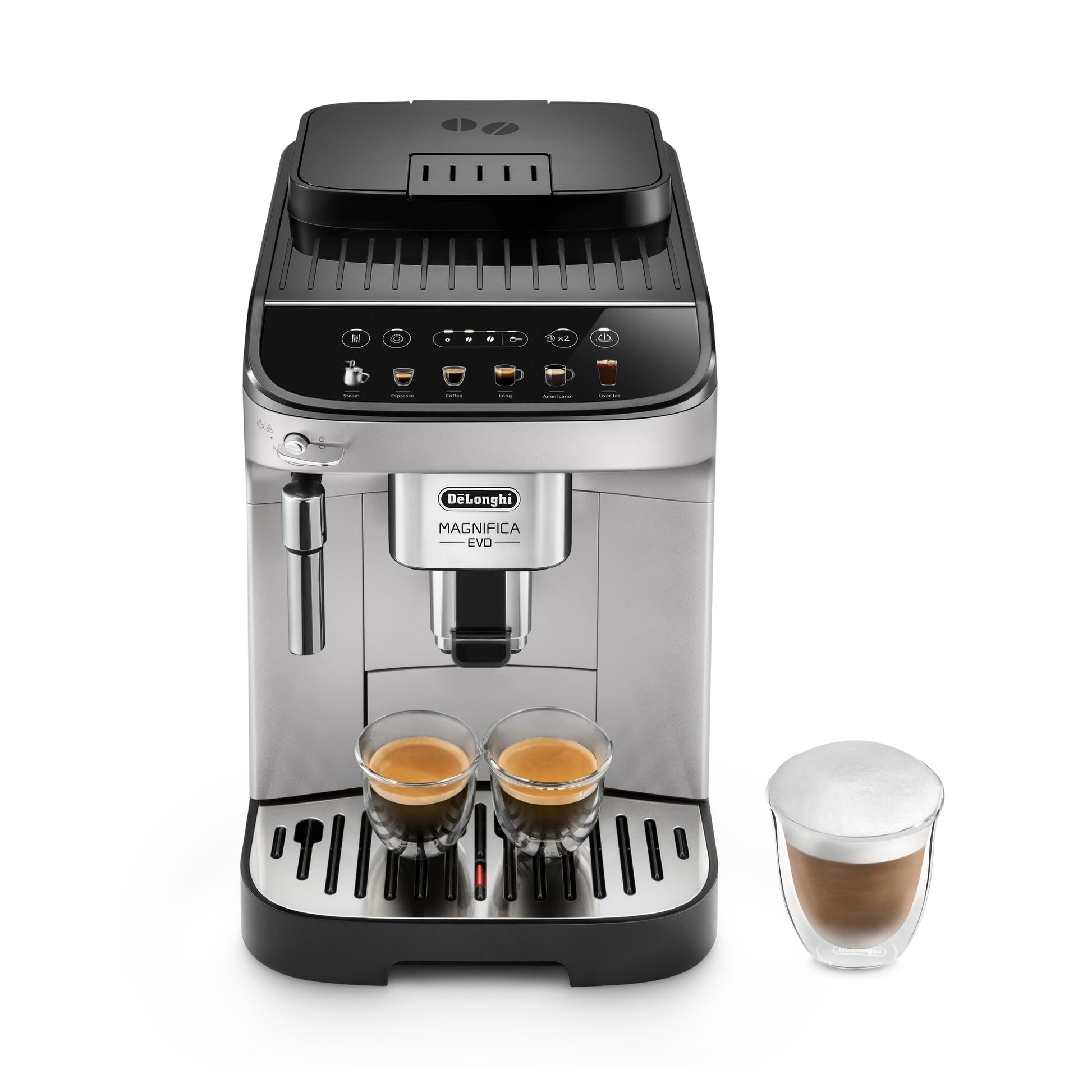
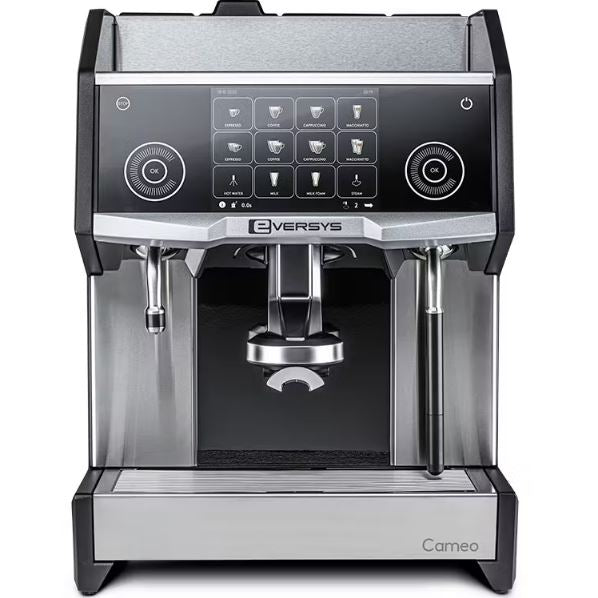
Push a button. Get espresso. That promise drives the entire superautomatic category. But the engineering underneath varies wildly between a plastic thermoblock and a dual-boiler commercial platform.
We tested 9 machines across three price tiers. Budget systems under a thousand dollars. Premium home units between one and four thousand. Commercial platforms built for hundreds of extractions per day. The goal was simple. Find which machines actually deliver consistent shots when you need them, not just the first cup of the morning.
The biggest surprise? Thermal stability separates the tiers more than any other variable. A cheap thermoblock loses six degrees Celsius by the fifth consecutive shot. That temperature drop increases water viscosity, slows extraction, and pushes the cup toward sour acidity. Premium machines with ThermoJet technology or dual boilers hold temperature within one degree across the entire sequence. The physics of espresso doesn't care what you paid. It cares whether the water hits 93 degrees every single time.
What matters in 2026
Three engineering advances have reshuffled the rankings this year.
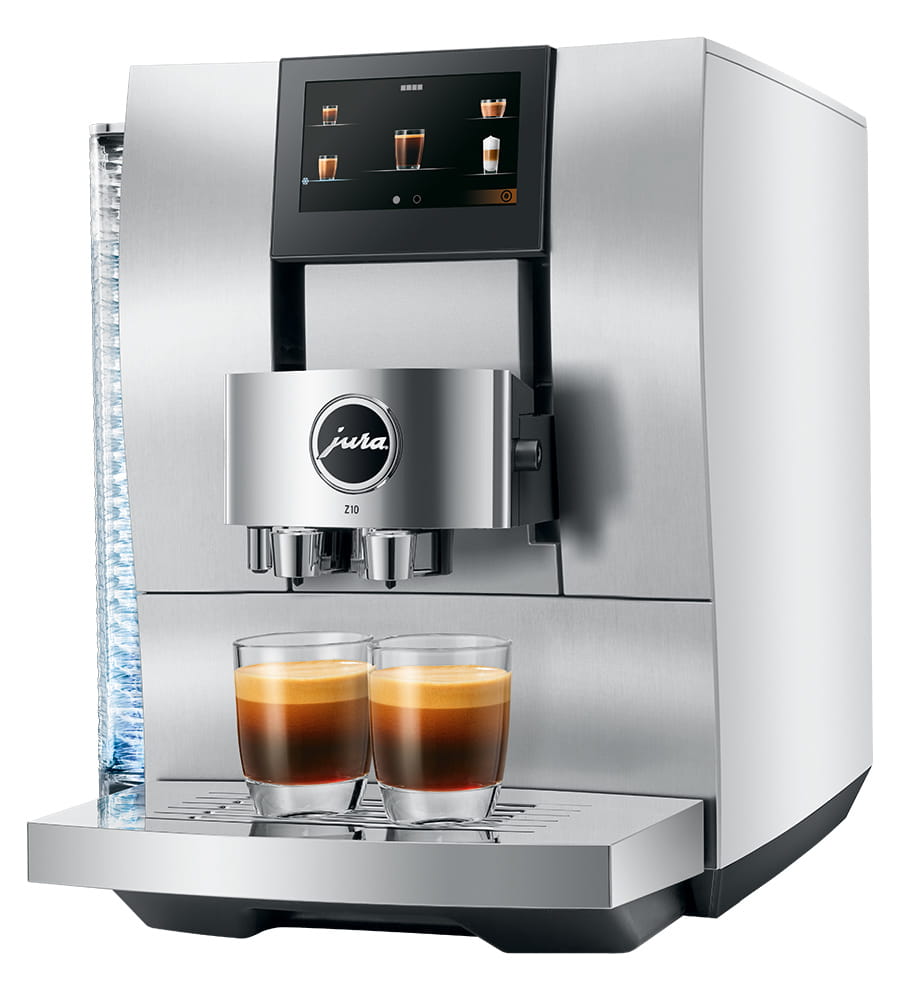
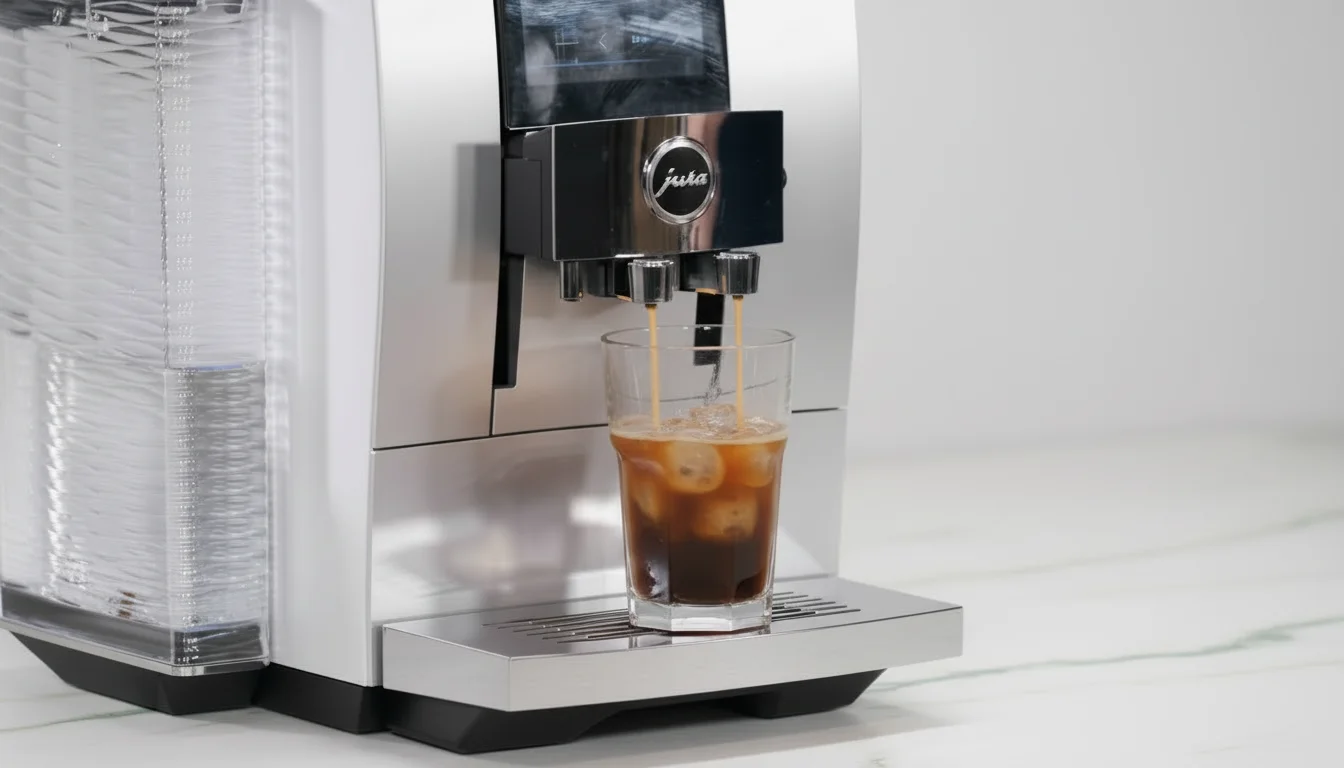
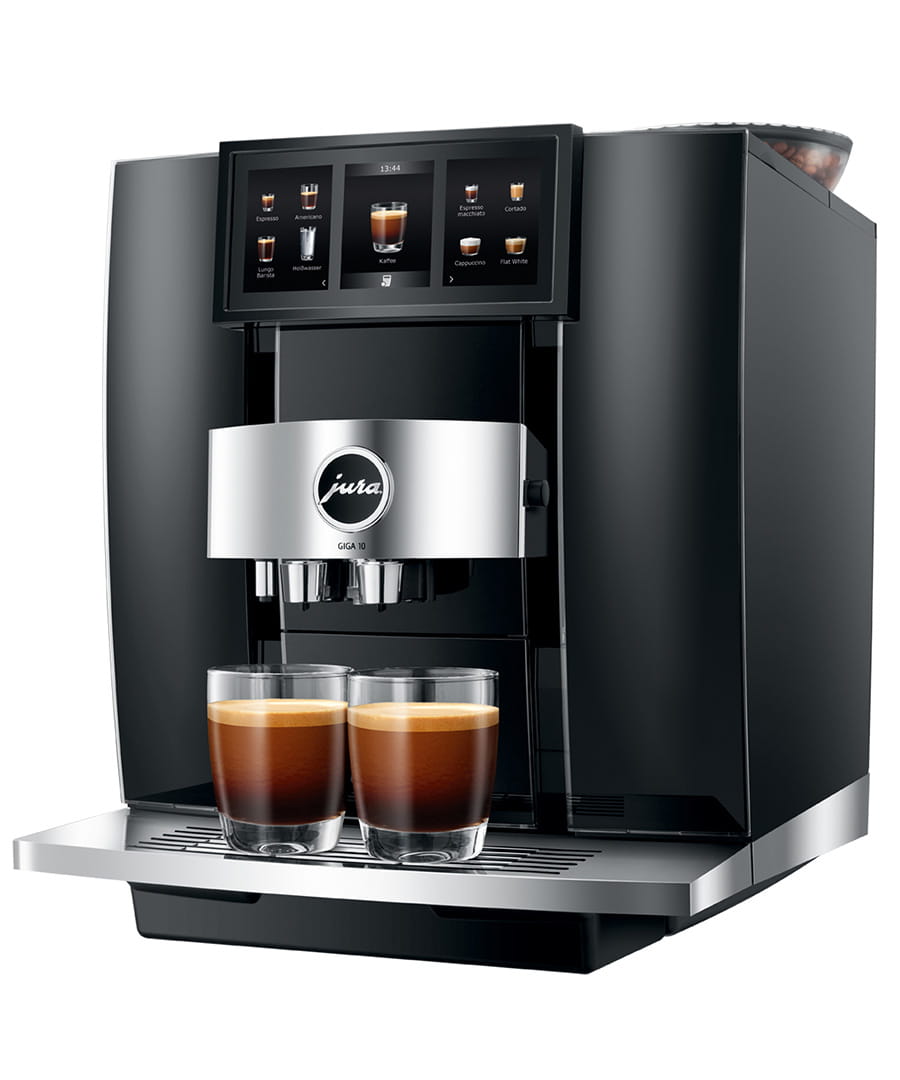
- Pulsed extraction hit the mainstream. Jura's P.E.P. technology pulses water through the puck in rapid intervals instead of continuous flow. This extends contact time on light roasts without over-extraction. The Z10 uses it for both hot espresso and cold brew, creating viscous chilled coffee without ice dilution.
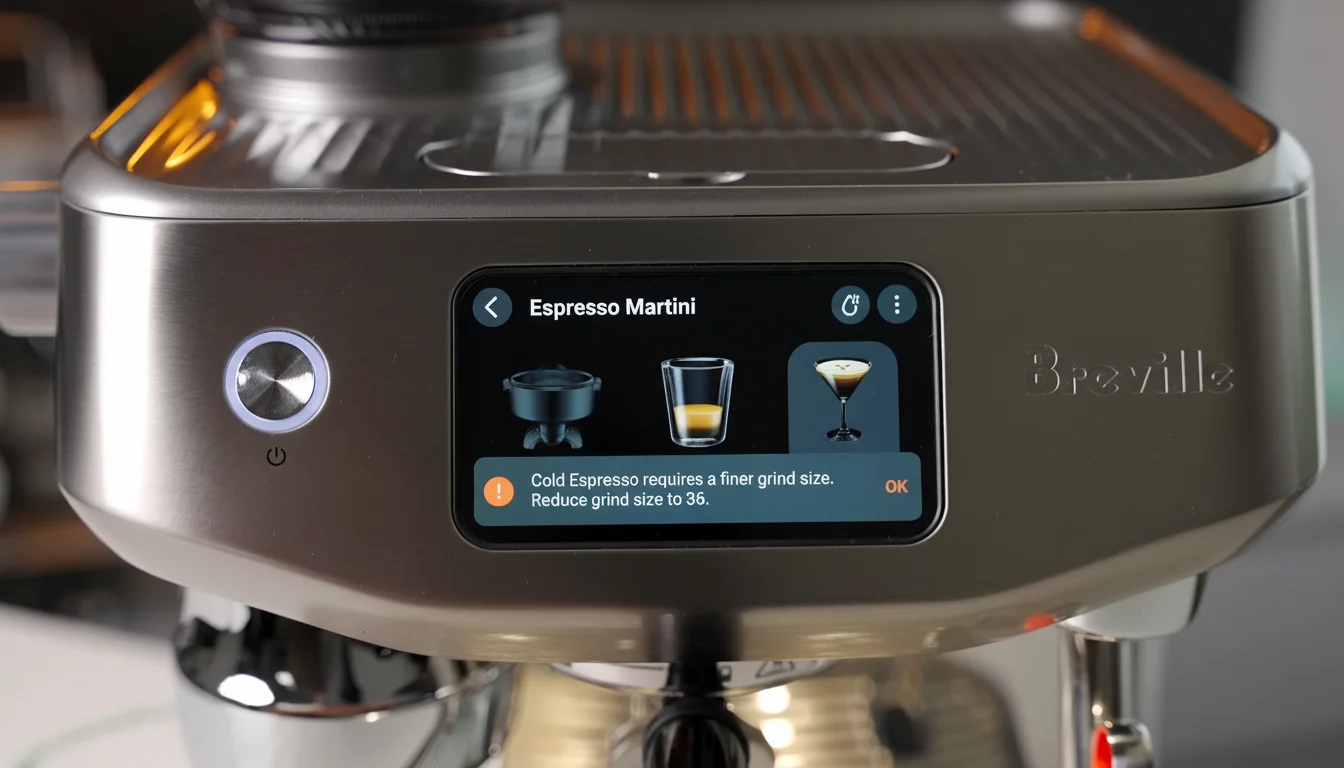
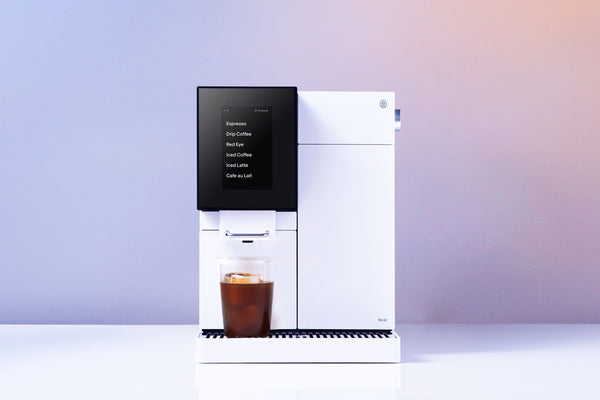
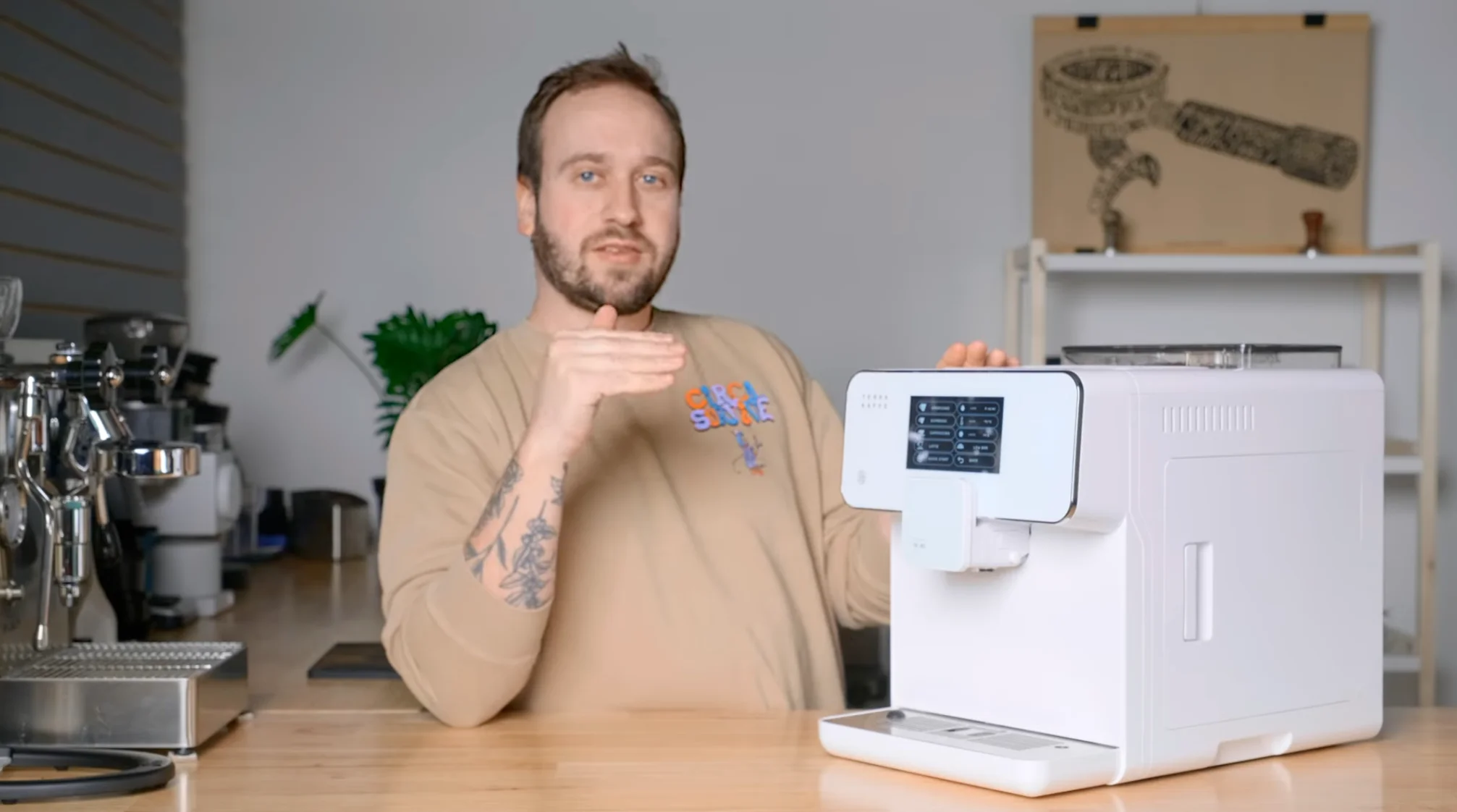
- Hybrid architectures bridged the gap. The Breville Oracle Jet uses a 58mm commercial portafilter with automated grinding, tamping, and pressure profiling. You get the ritual of semi-automatic brewing with the consistency of software control. The Terra Kaffe TK-02 toggles between espresso and drip configurations by physically altering its brew chamber geometry.
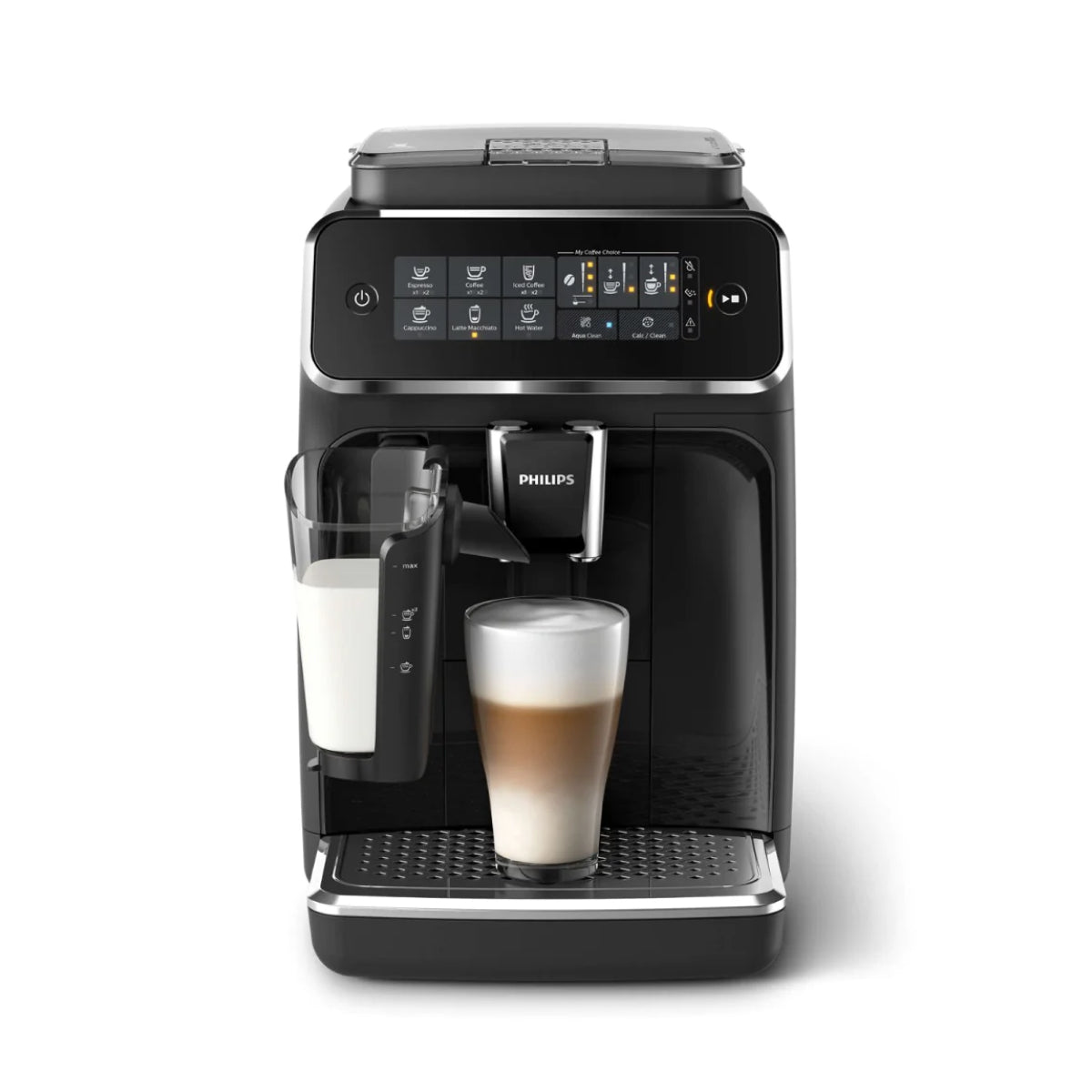
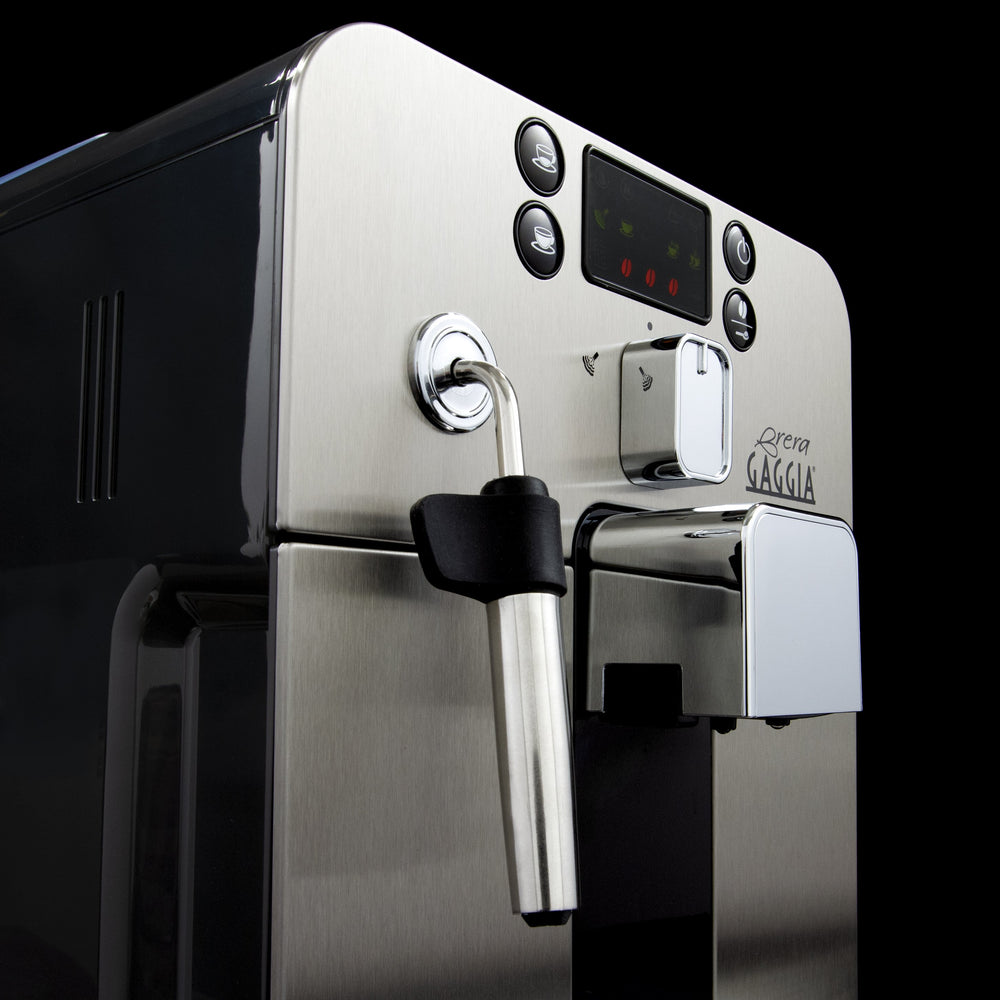
- Ceramic burrs became the budget standard. The Philips 3200 and Gaggia Brera both use ceramic flat burrs that transfer zero heat during grinding. Steel conicals at the same price point generate measurable friction warmth that volatilizes aromatics before water touches the grounds.