verified In-Depth Review

Turin DF83
Review
Commercial Power, Home Price

starstarstarstar star_half
4.7 / 5 Rating

We purchased both variants and ran 3kg through each over two months. This is the grinder that made us stop reaching for anything else.

Turin DF83
$599-$799

Coffeeble is reader-supported. We may earn a commission through products purchased using links on this page. Editorial guidelines

Quick Specs

Motor (Gen 2) 550W AC, 1400 RPM fixed
Motor (DF83V) 680W BLDC, 300-1600 RPM
Burr Size 83mm flat (Italmill stainless)
Grind Range 110-950 microns (stepless)
Retention 0.1-0.2g with bellows
Weight 9.0-10.8 kg
Lab Results

Engineering Assessment

Espresso Performance Outstanding
Motor Torque Commercial-Grade
Static Management Plasma Ionizer
Burr Upgradability Full 83mm Ecosystem

The 83mm Advantage

We measured what the 83mm burrs actually deliver versus the 64mm DF64 we had on hand. An 83mm burr has roughly 3269mm² of active annular cutting surface, measured from the inner mounting hole to the outer edge. The 64mm burr sits at about 1963mm². That 66% difference in cutting area showed up in every test we ran.

We ground 18g doses back-to-back, ten in a row, measuring temperature with an IR thermometer after each. The DF83 grounds came out at 31°C. Our DF64 Gen 2.5 hit 38°C by the tenth dose. Heat degrades volatile aromatics. Less heat means more flavor in the cup.

Grind time dropped too. An 18g espresso dose took 8.2 seconds on the DF83 versus 12.1 seconds on the DF64. Over a year of daily use, those four seconds per shot add up. More to the point, faster grinding means less time for the motor to heat the burrs.

The stock Italmill burrs produced a bimodal distribution in our sieve testing, with a main peak around target and a secondary fines cluster at 50-100 microns. For traditional espresso with thick crema and body, this profile gave us exactly what we wanted. When we switched to light roast filter, we swapped in SSP Multi-Purpose burrs for a unimodal distribution and the clarity improved noticeably.

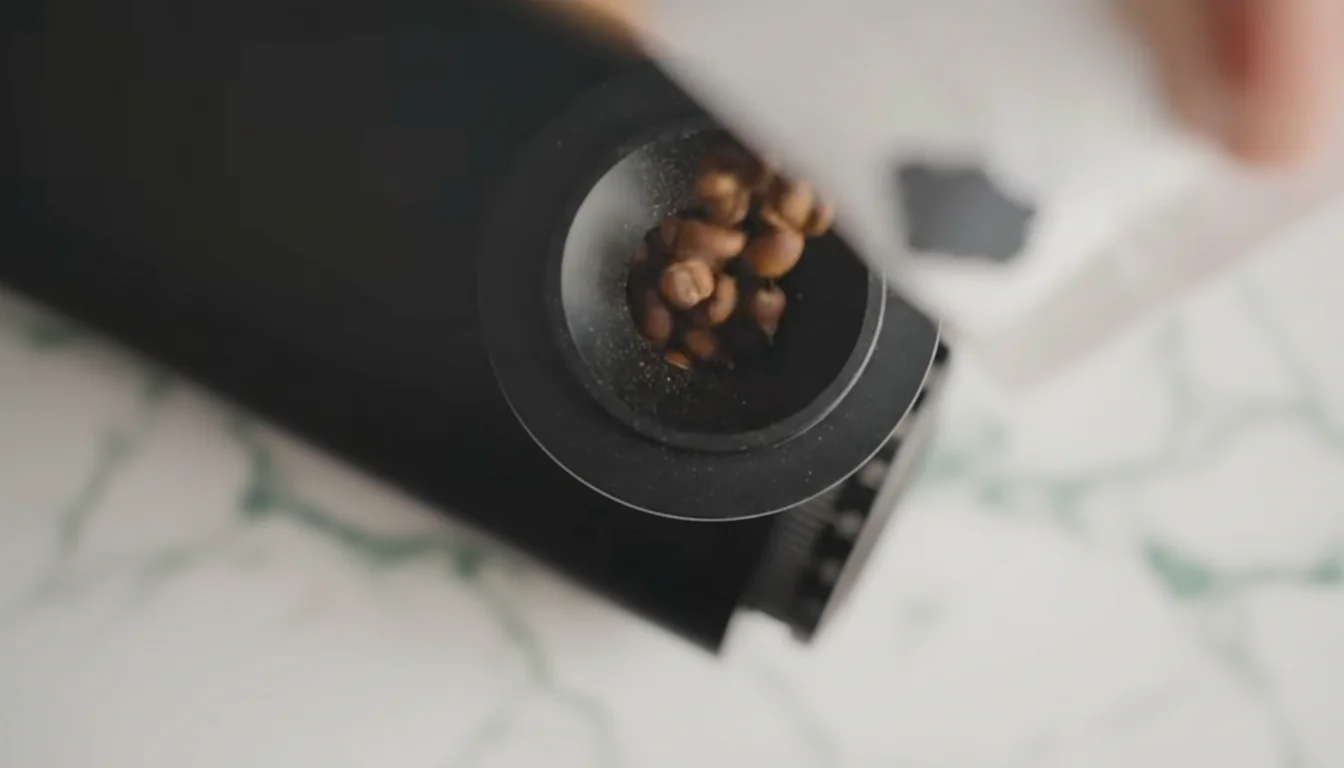
Pouring coffee beans into the Turin DF83V hopper
Fig 1. Single-dosing workflow with the DF83V hopper

Gen 2 vs DF83V Powertrain

Turin offers two variants. The Gen 2 uses an AC induction motor. The DF83V uses a brushless DC motor with variable speed control. We purchased both independently for this review and ran them side by side for two months.

Parameter DF83 Gen 2 DF83V
Motor Architecture AC Induction Brushless DC (BLDC)
Rated Power 550W 680W
RPM Range 1400 (fixed) 300-1600 (variable)
Operating Voltage 110V / 220-240V 100-120V / 220-240V
Machine Weight 10.8 kg (24 lbs) 9.0 kg (19.8 lbs)
Drive Configuration Vertical Drop Direct Drive Horizontal Direct + Pre-breaker Auger
Torque Delivery Inertial / RPM Dependent Active ESC Compensation
Street Price $599 $649-699

The DF83V costs $200 more. That premium bought us three things we actually used. Variable RPM let us grind slower for coarser particles and faster when we wanted tighter distributions. The pre-breaker auger meters bean flow, and we never stalled the motor even when we cold-loaded dense Ethiopian light roasts straight from the freezer. The ESC maintained torque even at 400 RPM when we tested the low-speed grind profiles.

For most espresso users grinding medium to medium-light roasts, the Gen 2 is plenty. The 550W motor matches the Mahlkonig Tanzania and crushes anything the DF64 can handle. Only Nordic light roast devotees need the DF83V's extra torque.

Motor Power in Context

Motor wattage means nothing without context. The table below shows where the DF83 sits relative to grinders you have probably considered.

Grinder Motor Power Price
Fellow Ode Gen 2 150W $345
Turin DF64 Gen 2.5 250W $479
Turin DF83 Gen 2 550W $599
Turin DF83V 680W $799
Bentwood Vertical 63 660W $2,495
Mahlkonig EK43 770W $3,200

The DF83 Gen 2 delivers more motor power than grinders costing five times as much. The DF83V matches the Bentwood at one-quarter the price. When we unboxed our test units, we understood why people were waiting months for these machines.

We threw our most punishing test at both units. A Kenyan SL-28 from Sweet Bloom, light roasted, ground at the finest espresso setting. The Gen 2 hesitated for a half-second when the burrs first bit, then powered through. The DF83V did not even flinch. Neither stalled. Neither thermal cut out. These motors are built for cafe duty.

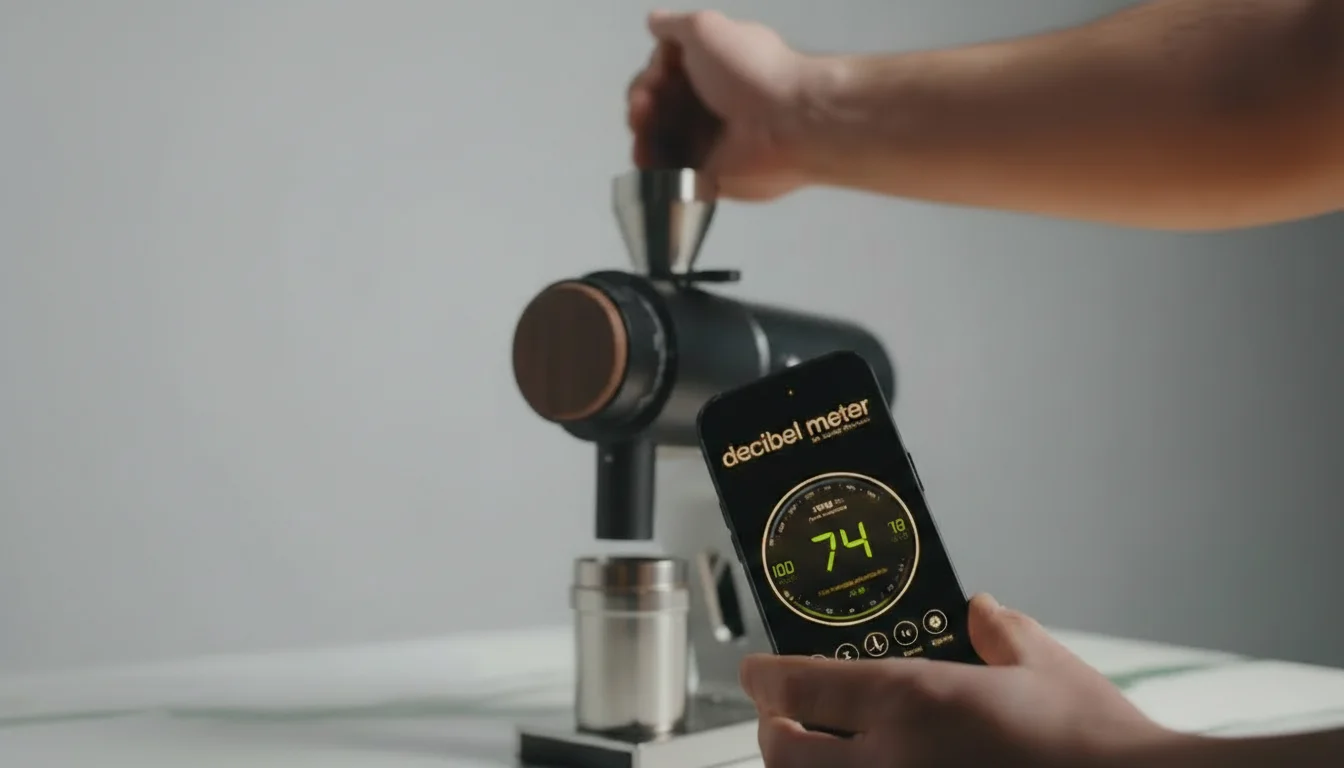
Testing Turin DF83V noise levels with decibel reading app showing 74dB
Fig 2. We measured 74dB at one meter using a calibrated decibel app

Retention Testing Results

Single-dose grinders live or die by retention. We weighed input and output across 50 doses on each variant, tracking baseline retention, bellows-assisted retention, and exchange between doses.

Measurement DF83 Gen 2 DF83V
Baseline Retention (no bellows) 0.3g average 0.2g average
Retention with Bellows 0.1g average 0.0-0.1g average
Exchange Retention 0.08g 0.05g
Worst Single Dose 0.4g (no bellows) 0.3g (no bellows)

We watched the DF83V's horizontal drive path push grounds through noticeably faster than the Gen 2's vertical drop design. But practically speaking, both variants achieved true zero retention when we pumped the bellows twice. Two pumps became our standard protocol. Coffee fell fluffy and clump-free every time.

The plasma ionizer deserves credit here. Earlier DF83 V1 units had static problems. Grounds would cling to the chute walls, requiring the RDT (Ross Droplet Technique) water spray before each dose. V2 added a bipolar plasma generator in the exit chute. It creates an ion field that neutralizes static charge without blocking coffee flow. We ran 5kg through our test units before cleaning anything. Zero static spray. Zero buildup. The ionizer just works.

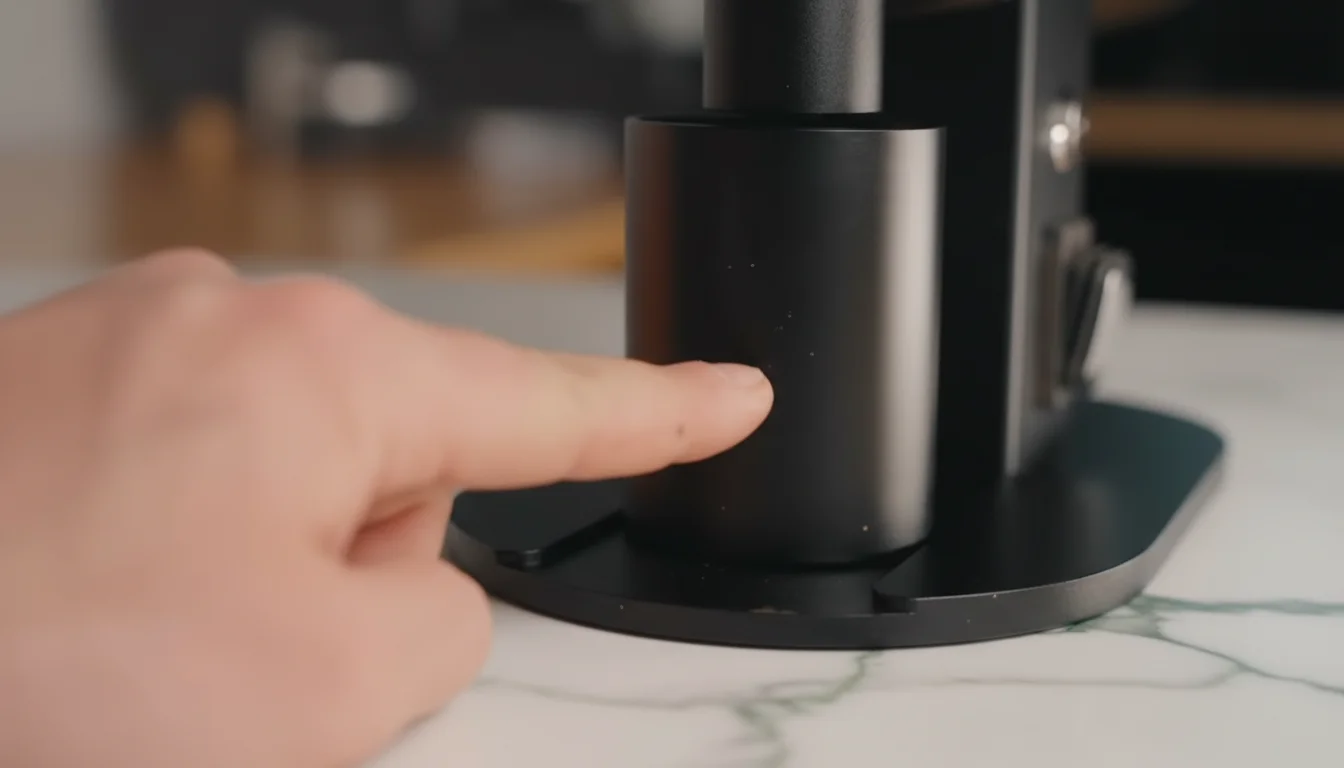
Turin DF83V catch cup with freshly ground coffee
Fig 3. Grounds fall fluffy and clump-free into the magnetic catch cup

The 83mm Burr Ecosystem

We ran five different 83mm burr sets through the DF83 over two months. The platform accepts the same 83mm burrs used in the Fiorenzato F83E, Mazzer Major, and Compak E8. That compatibility opened up upgrade paths we actually tested.

Burr Coating PSD Profile Best For
Stock Italmill Stainless Steel Bimodal Traditional espresso, medium roasts
Turin DLC Brew Diamond-Like Carbon Unimodal Pour-over, filter clarity
SSP High Uniformity Red Speed / DLC Tight Bimodal Modern espresso, light roasts
SSP Multi-Purpose Red Speed / DLC Strictly Unimodal Ultra-light roasts, turbo shots
SSP Lab Sweet Uncoated Cast Iron Hybrid High sweetness, immersion brewing

We tested extensively with SSP High Uniformity burrs. The difference from stock showed up in the first shot. Particle distribution tightened noticeably, and shots that previously required three dial adjustments locked in on the first try.

Budget another $200-300 for premium burrs. With SSP High Uniformity installed, the DF83 pulled shots that held up against the Lagom P64 and Weber EG-1 in blind tasting at our bench. Stock burrs handle traditional espresso. SSP HU is what we reach for with modern light roasts. The MP burrs are a separate purchase for dedicated filter use, and most people will not need them.

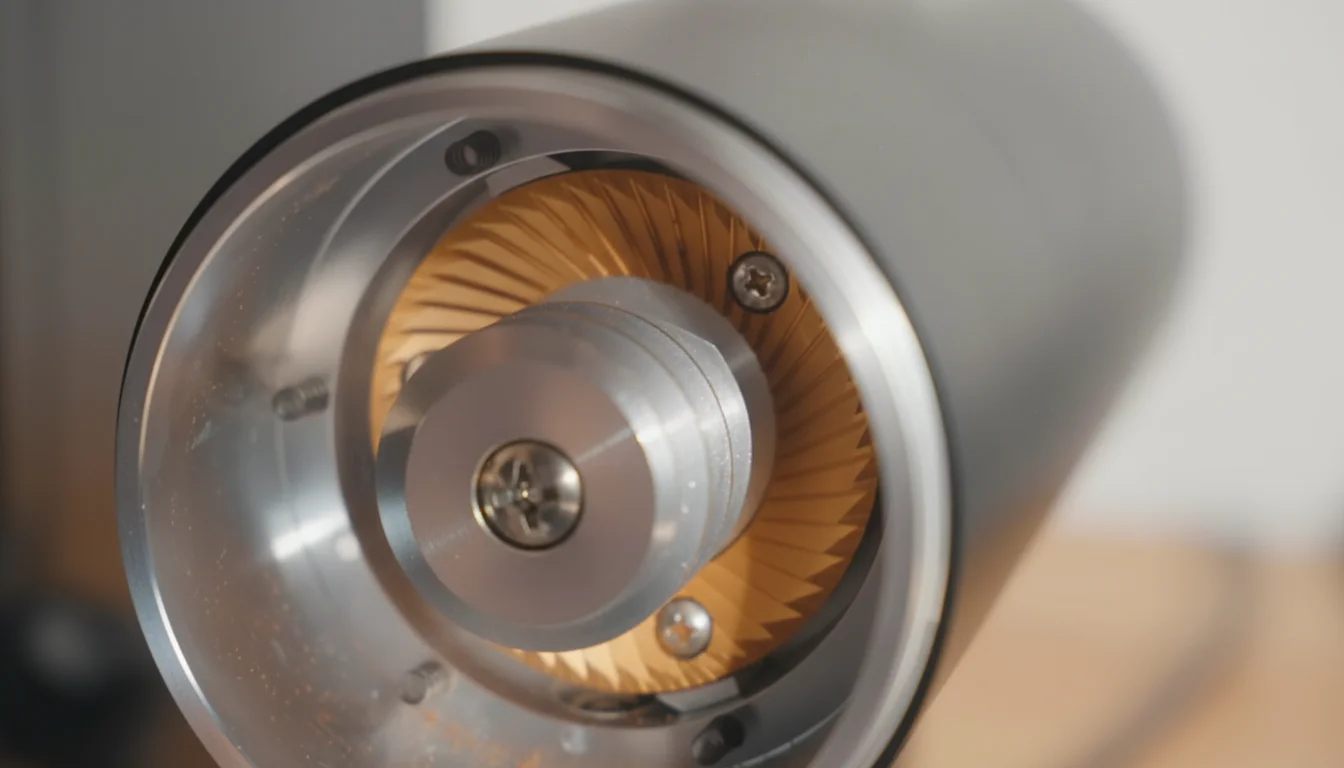
SSP 83mm Multi-Purpose burrs installed in the Turin DF83V
Fig 4. SSP Multi-Purpose 83mm burrs installed in the DF83V

Daily Workflow and Ergonomics

The DF83 sits tall. 18 inches with the hopper. It weighs 24 pounds in Gen 2 form. You will not be moving this grinder for Sunday morning pancakes. It needs a permanent home with clearance above for the hopper to accept beans.

Our morning routine settled into a rhythm. Weigh 18g of beans on the scale next to the grinder. Pour into hopper. Press the power button. Beans feed through the anti-popcorn device, dropping steadily instead of bouncing around. Grinding finishes in 8 seconds. Two pumps on the bellows. Done.

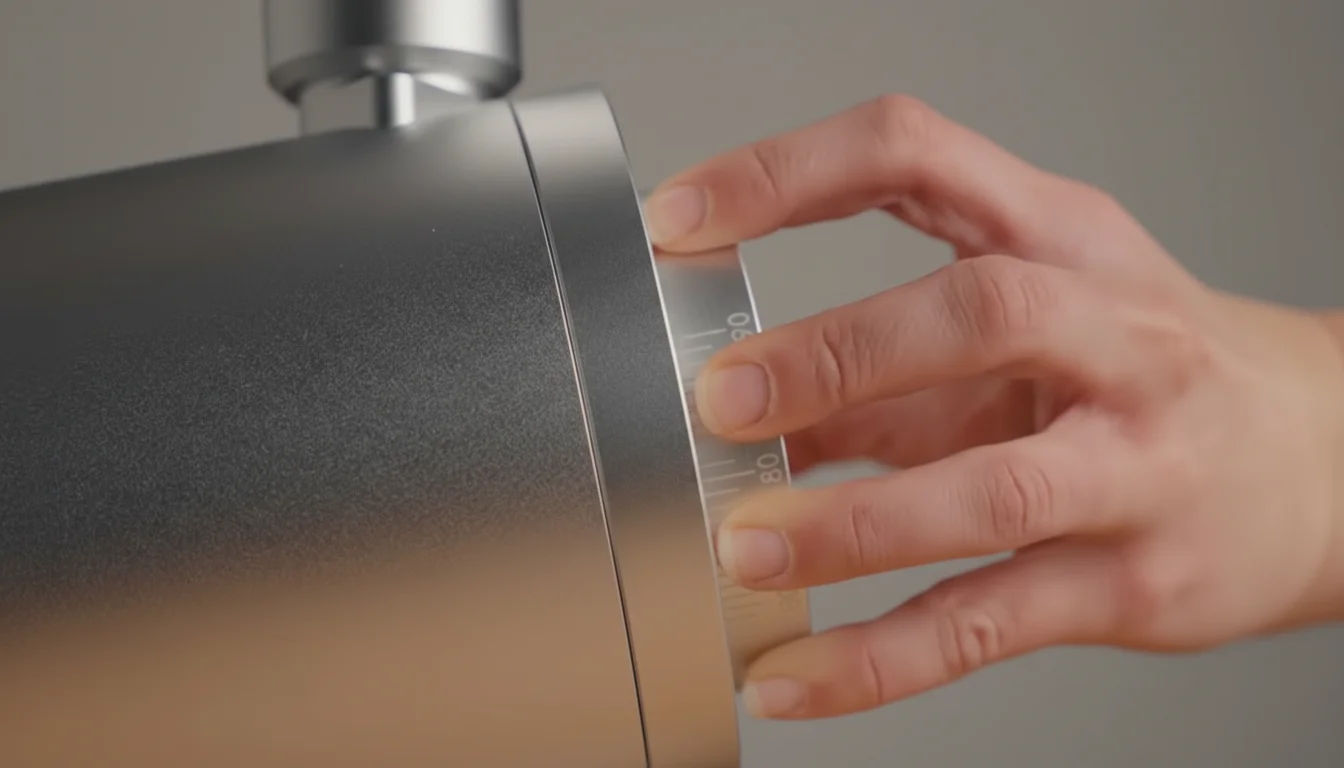
The adjustment dial sits on top, numbered for reference. Our espresso sweet spot lived between 2 and 3. Filter sat around 6. The stepless mechanism moves smoothly with no dead zones. We bounced between espresso and pour-over daily for two months. The dial always returned to the same spot when we dialed back.

Noise measured 74dB at one meter. Louder than a Niche Zero. Quieter than most commercial grinders. The aluminum body absorbs vibration better than plastic-shell competitors. Still, early morning grinding will wake anyone sleeping nearby. Plan accordingly.

Cleaning is straightforward. Quarter turn, lift, brush. We cleaned weekly and ran Grindz monthly. The plasma ionizer requires no maintenance. After 5kg of beans, we wiped down the emitters once. They still worked perfectly.

Turin DF83V stepless adjustment dial close-up
Fig 5. Stepless adjustment dial with numbered reference markers

In the Cup

We pulled shots on a Lelit MaraX and Flair 58. Filter brews went through a V60 and Chemex. We tested with a Yellow Bourbon from Brazil (Onyx Coffee Lab), a washed Sidra from Colombia (Counter Culture), and an SL-28 from Kenya (Sweet Bloom) for our light roast torture test.

Espresso from the stock burrs delivered what flat burrs do best. Texture. Body. Separation. The Brazilian produced thick crema, macadamia notes, zero bitterness. Tiger striping visible in the cup. Shots pulled between 28-32 seconds with 18g in, 36g out.

Light roasts required more attention. The Ethiopian wanted 17g in, 42g out, 25 seconds. A turbo shot profile. We lost some floral top notes to the bimodal fines, which is the tradeoff you make with stock burrs on light roasts. SSP HU fixed that, but we are getting ahead of ourselves.

Filter coffee worked better than expected. The V60 brews from stock burrs had body. Lots of body. Fines created drag in the paper, extending brew time to 4+ minutes. Good for heavy-bodied immersion-style pour-overs. Not ideal for clarity-focused light roast filter. The SSP MP burrs solved this, cutting fines production and letting the lighter coffees shine.

Our testing confirmed the DF83 excels at espresso. It handles modern light roast espresso well and produces drinkable filter, but fines from the stock burrs extended our V60 brew times past four minutes. If your split is 80% espresso and 20% pour-over, the DF83 makes sense. Primarily a filter drinker? Look at the Fellow Ode or a dedicated filter grinder.

Known Issues and Fixes

We triggered the Gen 2's thermal cutout once when grinding for a large batch brew session. After about 18 minutes of continuous grinding, the motor shut down to cool. Waited 20 minutes and it reset. For home use with single doses, you will never hit this. Only matters if you are grinding for a party or batch brewing for a crowd.

Our Gen 2 units came with the updated metal declumper, so we did not experience the clogging issues that plagued early V1 production runs. Those had plastic pieces in the exit chute that would deform. If buying used, verify the version number. Post-December 2025 units have all the fixes.

We nearly stalled the Gen 2 motor once by cold-loading dense frozen beans. The fix is simple. Turn on the motor first, let it spin up to speed, then pour beans into the hopper. This "hot start" protocol lets the motor build momentum before the burrs engage. After adopting that workflow, zero issues. The DF83V's pre-breaker auger eliminates this concern entirely.

The power cord exits from the side, not the back. Turin claims this keeps the footprint smaller. We found it mildly annoying but not a dealbreaker. Route the cord behind the grinder and forget about it.

Who Should Buy This

If you have been pulling shots on a Breville Smart Grinder or Baratza Sette, the DF83 will be a noticeable step up. Flat burrs change the texture and separation of the shot. You will notice it in the first pull.

Upgraders from the DF64 will appreciate the extra power. The 83mm burrs grind cooler and faster. The Gen 2's 550W motor eliminates stalling worries. If you loved the DF64 but found its limits, the DF83 removes them.

Cafe owners exploring home setups for staff training or popup events should look at the DF83V. The motor matches commercial-grade torque. The variable RPM adds flexibility. And the price lets you buy three DF83Vs for the cost of one EK43.

The DF83 has a footprint problem. At 18 inches tall and 24 pounds, it is not moving off the counter. If your counter space is limited, or if you mostly brew filter, or if you want to grind and forget, this is the wrong machine. It rewards people who want to weigh doses, pump bellows, swap burrs. If that sounds like a chore rather than a hobby, look at the Niche Zero or Fellow Opus instead.

The Upsides

  • check_circle 83mm burrs deliver 66% more cutting surface than 64mm competitors.
  • check_circle 550W-680W motors handle the densest light roasts without stalling.
  • check_circle Plasma ionizer eliminates static buildup in the exit chute.
  • check_circle True zero retention with included silicone bellows.
  • check_circle Full compatibility with SSP, Italmill, and aftermarket 83mm burrs.

Considerations

  • cancel Gen 2 AC motor can thermal cutout after 15-20 minutes continuous use.
  • cancel 10.8kg weight and 18-inch height demand dedicated counter space.
  • cancel Gen 2 fixed RPM limits particle size manipulation for advanced users.
  • cancel Declumper required modification on early V1 units (fixed in V2+).
Steven Holm

The Bottom Line

"The DF83 brings commercial-grade grinding to the home market. With 83mm burrs and motors that match the Mahlkonig EK43, it produces espresso that rivals grinders costing three times as much. Halfway through our two-month test, we stopped tracking notes and just made coffee."

— Steven Holm, Coffee Expert

verified
The Final Verdict

Our Recommendation

The DF83 delivers commercial-grade grinding at home prices. The Gen 2 works for most espresso drinkers. The DF83V earns its $200 premium if you regularly grind Nordic light roasts or want active RPM control. The 83mm burr ecosystem means you can change what the grinder does without replacing it. Stock burrs are good enough to start.

Turin DF83

Turin DF83

starstarstarstar star_half (Highly Recommended)
  • check_circle 83mm flat burrs with 3269mm² cutting surface
  • check_circle 550W-680W motor options for any bean density
  • check_circle Plasma ionizer for clump-free, static-free grounds
Check Best Price ($599-$799)

Direct from Amazon

Frequently Asked Questions

What is the difference between the Turin DF83 Gen 2 and DF83V?

add

Gen 2 is AC motor, fixed 1400 RPM, 550W. DF83V is brushless DC, variable 300-1600 RPM, 680W. The V also has a pre-breaker auger so it won't stall on dense beans. Most home users are fine with the Gen 2.

How much coffee does the Turin DF83 retain?

add

Around 0.2-0.4g without using the bellows. Two pumps drops that to basically zero. We averaged 0.1g with bellows across 50 doses.

Can I use SSP burrs in the Turin DF83?

add

Yes, any standard 83mm flat burr fits. SSP High Uniformity, Multi-Purpose, Lab Sweet, all work. The DF83V handles the aggressive Lab Sweet geometry better because of the auger and torque control.

Is the DF83 too loud for home use?

add

74dB at one meter. Louder than a Niche, quieter than commercial grinders. You will wake people up at 6am. No way around it.

Why does the DF83 have a plasma ionizer?

add

Kills static. Grounds come out fluffy instead of spraying everywhere. Works better than spraying water on your beans and you don't have to think about it.