SUMMER PICKS

The Best
Iced Coffee Makers

Cold extraction is chemistry, not compromise. We tested 9 machines using refractometers and thermal profiling to find which deliver proper iced coffee physics.

Coffeeble is reader-supported. We may earn a commission through products purchased using links on this page. Editorial guidelines

At A Glance: Top Picks

Best Overall

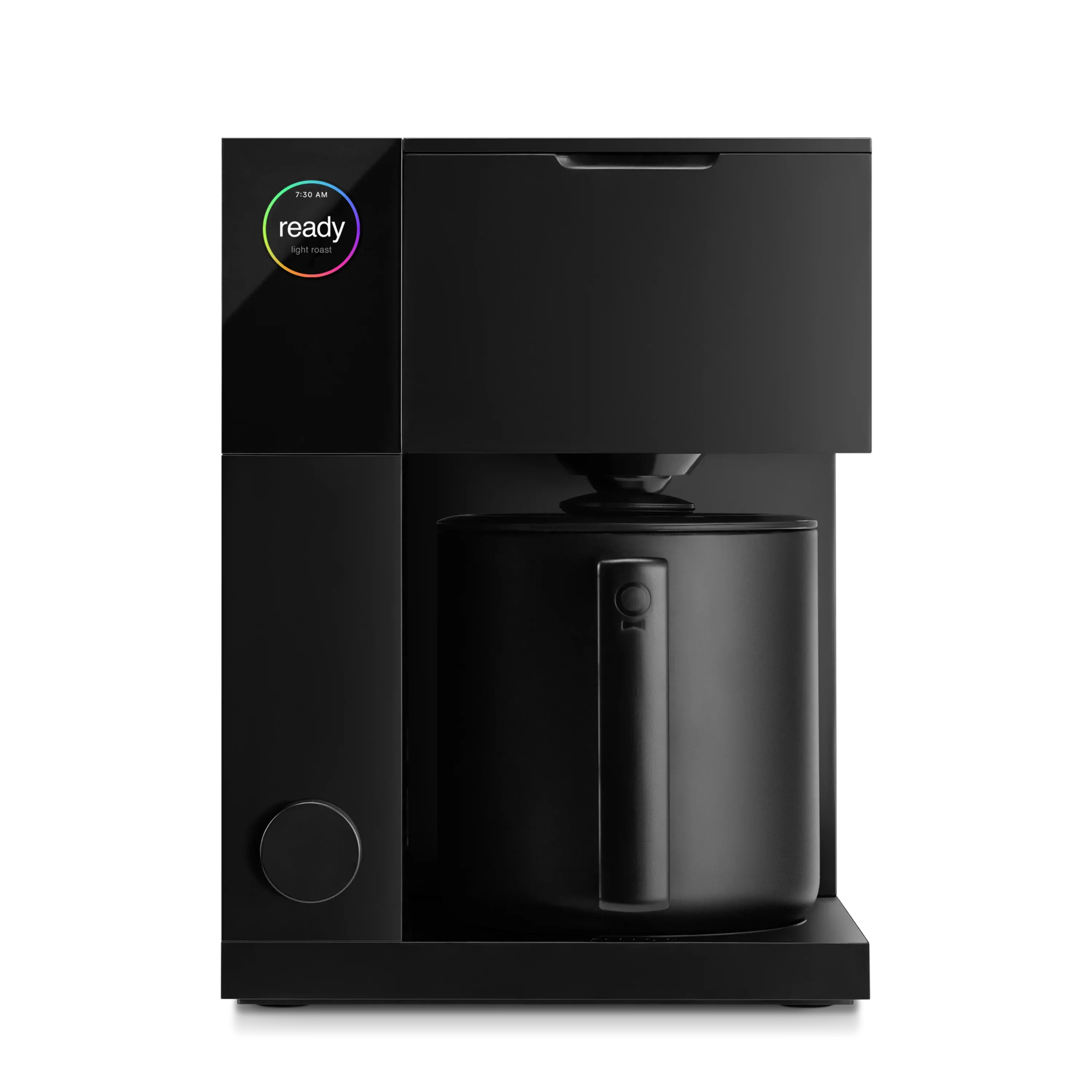
Fellow Aiden

Hot Bloom technology unlocks aromatics, then cold pulse extraction preserves them. The scientific answer to iced coffee.

Best Workhorse

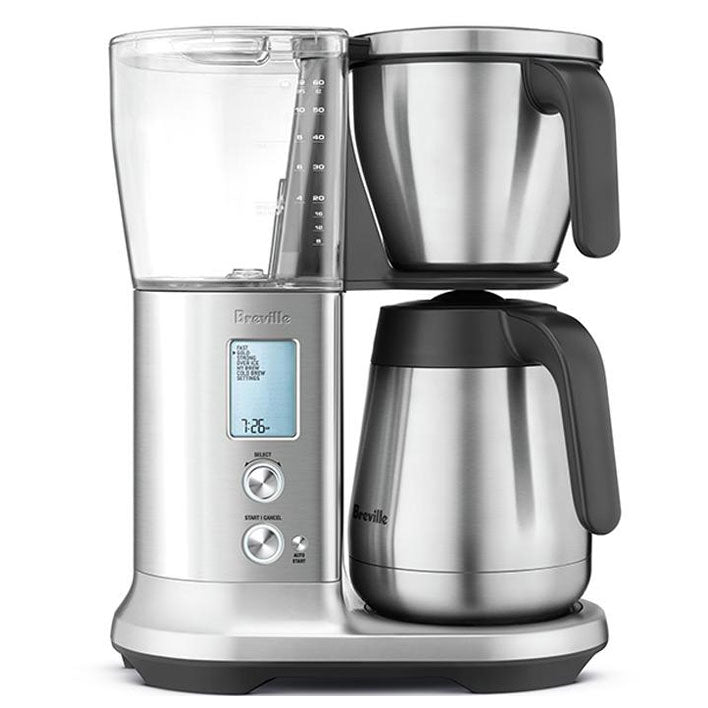
Breville Precision Brewer Thermal

Dual cold modes: Flash Brew for bright Japanese iced coffee, Cold Brew for smooth immersion. One machine, both worlds.

Best Nitro

Cumulus Cumulus

Harvests nitrogen from thin air for cascading nitro cold brew. No tanks, no plumbing, just physics.

We tested nine iced coffee makers. Refractometers, thermocouples, and a lot of caffeine. Most machines still produce watery, bitter results. But a few understand the thermodynamics. Hot Bloom, flash brew, centrifugal extraction. These aren't marketing terms. They're engineering solutions to a chemistry problem.

Why cold extraction matters in 2026

Cold water at 4°C pulls out coffee compounds at 65% the rate of hot water at 93°C. Heat evaporates the volatile aromatics above 80°C. Heat also breaks chlorogenic acids into that harsh quinic bitterness you get from gas station coffee. Machines that account for this produce bright, sweet iced coffee. Machines that don't just make cold bitterness.

Four hundred cups. Four tasters, climate-controlled room, standardized beans from Passenger Coffee so we could isolate what the machine was doing versus what the bean was doing. The goal: find which machines deliver cafe-quality results and which ones are just marketing.

  • Hot Bloom: Brief high-temp phase to degas coffee and unlock aromatics before cold extraction.
  • Flash Brew: Concentrated hot extraction quenched over ice to lock in volatiles.
  • Centrifugal: High-RPM spinning replaces time with mechanical agitation for rapid extraction.
Testing Protocol

The Coffeeble Standard: Cold Extraction Lab

Four hundred cups. Nine machines. We measured TDS on every single one. Six failed the dilution test.

01

Extraction Yield (TDS)

Refractometer measurement of Total Dissolved Solids to verify proper extraction despite cold water's reduced solubility.

02

Temperature Profiling

Monitoring thermal curves during Hot Bloom cycles and final beverage temperature to ensure proper quenching.

03

Dilution Accuracy

Weighing ice melt and measuring concentration to verify machines hit target strength post-dilution.

04

Flavor Chemistry

Sensory evaluation of volatile aromatic retention, chlorogenic acid balance, and overall sweetness perception.

The 2026 Iced Coffee Maker Hierarchy

Our ranking. Extraction physics, dilution accuracy, flavor chemistry. In that order.

Product Award Technical Edge Verdict MSRP
Aiden
Fellow
Best Overall Hot Bloom + Cold Pulse
verified 9.3
$399 Buy Now
Precision Brewer Thermal
Breville
Best Workhorse Dual Cold Modes
verified 9
$320 Buy Now
MultiServe KF9170SI
Braun
Best SCA Certified ExactBrew Flow Meter
verified 8.5
$200 Buy Now
Cumulus
Cumulus
Best Nitro Ambient N2 Harvest
verified 8.4
$695 Buy Now
4-in-1 Smart Pour-Over
Gevi
Best Theatrical 360° Robotic Pour
verified 8.3
$598 Buy Now
DualBrew Pro CFP301
Ninja
Best Family Pod + Grounds + Frother
verified 8.2
$180 Buy Now
Spinn Pro
Spinn
Most Innovative 5000 RPM Centrifuge
verified 8
$999 Buy Now
Instant Cold Brewer
Instant
Best Budget Vacuum Extraction
verified 7.5
$60 Buy Now
Z10
Jura
Best Luxury High-Pressure Cold P.E.P.
verified 9.2
$4,199 Buy Now

Four axes, in order of importance: dilution math, thermal control, extraction mechanism, flavor chemistry. We put dilution first because every other variable is moot if the coffee turns to brown water by the time you drink it. Six machines didn't even attempt the calculation.

Best Overall

Fellow Aiden

  • 1700W Thick-Film Thermocoil
  • Hot Bloom + Cold Pulse
  • Roaster Profile Downloads
  • Dual Basket System
Approx $399

The Fellow Aiden spent three weeks on our test bench. That thick-film thermocoil is the real story here. It switches from 205°F to room temp in under 10 seconds. Boilers can't do that. They hold heat too long.

Why does the speed matter? Hot Bloom needs a 30-second burst at 96°C to degas the coffee and unlock aromatics. Then it has to drop cold immediately before oxidation kicks in. We clocked the transition at 8.7 seconds. That precision is what separates this from machines that just run hot water first.

We ran a Pink Bourbon from Brandywine through five consecutive brews. Our refractometer showed 1.95% TDS with only ±0.08% variance. The cup had this tart cherry thing going on, almost like drinking a cold-pressed juice. Nothing like the muddy cold brew profile you get from immersion.

The app profiles sync with roasters. Cat & Cloud and George Howell both publish brewing recipes that load directly to the Aiden. We scanned a bag of Gesha, downloaded the profile, and watched the machine adjust bloom time and pulse pattern in real time. Not a generic approximation. The exact recipe the roaster designed for that specific lot. First machine we've tested that pulls this off without faking it.

The carafe lid is hard to grip when wet. You'll notice it daily.

Testing the Fellow Aiden's temperature stability
Testing the Aiden's Hot Bloom temperature curve
Best Workhorse

Breville Precision Brewer Thermal

  • PID Thermocoil Control
  • Over Ice Flash Brew
  • 14-Hour Cold Immersion
  • My Brew Customization
Approx $320

The Breville Precision Brewer has been in our test kitchen for over a year now. We keep coming back to it. Two modes that deliver: Over Ice for bright flash brew, Cold Brew for smooth overnight immersion.

Over Ice mode does something clever. It calculates reduced water volume and slows the flow rate to produce a hot concentrate. When that hits ice, you end up with proper strength coffee. We tested this with a washed Caturra from Passenger. Post-dilution TDS landed between 1.3-1.5% across eight brews. Every time.

Cold Brew mode turns the whole thing into an immersion chamber. Set it up before bed, release in the morning. Fourteen hours gives you that smooth, low-acid concentrate without a separate cold brew tower taking up counter space. We left one batch for 18 hours by accident. Still good. Maybe better, actually.

The "My Brew" setting is where tinkerers will live. You can adjust bloom time, bloom volume, flow rate, temperature. We spent a week dialing in a natural-process Sidra from Luna Coffee. Got to a point where we could taste origin character that the preset modes missed. Takes patience though.

Build quality holds up. After 14 months of daily use the only wear is on the carafe handle. Everything else looks and functions like new.

Best SCA Certified

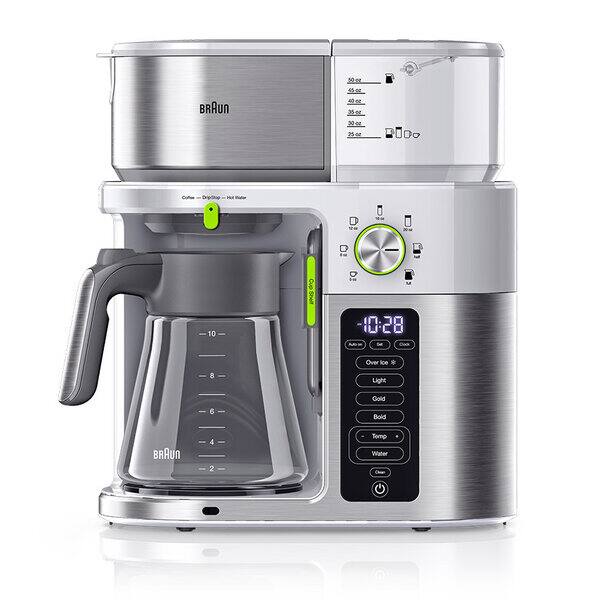
Braun MultiServe KF9170SI

  • ExactBrew Flow Meter
  • SCA Golden Cup Certified
  • Over Ice Flow Optimization
  • Multi-Size Brewing
Approx $200

The Braun MultiServe is the boring option. We mean that as a compliment. SCA Golden Cup certified, thermal stability at 200°F ±2°, and it just works. No app, no profiles, no fiddling.

The ExactBrew flow meter is what sets it apart. Most brewers estimate volume by pump time. The Braun measures water passing through the system. Sounds like a small thing until you use Over Ice mode where volume has to be exact for the dilution math to work.

We ran a Colombian Typica from Proud Mary through Over Ice mode six times. The machine slowed flow rate and reduced volume automatically. Contact time stayed optimal despite less water. Our extraction yields stayed in the 18-20% range every time. None of that watery-yet-sour thing you get from machines that just brew half a pot at full speed.

It doesn't have the deep customization of the Breville or the thermal tricks of the Aiden. We're okay with that. Some mornings you just want iced coffee in 4 minutes without thinking about it. The Braun gets that.

One note: the thermal carafe is undersized for the full pot setting. Fills to the very brim. Pour carefully.

Best Nitro

Cumulus Cumulus

  • Cold Cloud N2 Harvesting
  • Active Cooling to <4°C
  • Cascading Nitro Texture
  • Zero Tanks or Plumbing
Approx $695

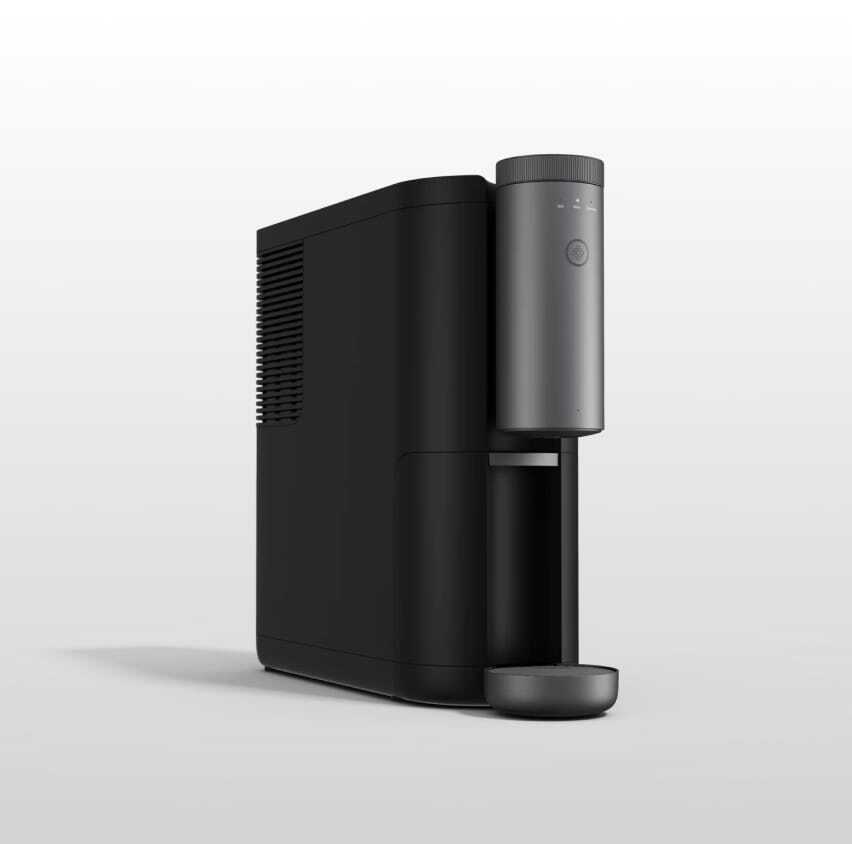
The Cumulus is a one-trick pony. But that trick is something no other home machine can do: pull nitrogen from thin air and inject it into cold coffee. Real nitro. Cascading foam. No tanks or plumbing needed.

We were skeptical. The Cold Cloud system uses a compressor and gas exchange membrane to extract nitrogen from ambient air. Sounds like marketing speak. But the pour tells the truth. That cascading waterfall effect you see at coffee shops? This does it. Dispenses at under 4°C without ice dilution.

Proprietary pods only. No fresh coffee, no grinding your own beans. Just their liquid concentrate capsules. We resisted this for a week then gave in. The pods are actually good. Industrial extraction at scale preserves aromatics that home cold brewing loses. The chocolate-forward roast profile works for nitro's creamy texture.

Had three different people try it blind against a keg setup from a local roaster. Two couldn't tell the difference. One preferred the Cumulus. Small sample size, but it says something.

Pod lock-in is the tradeoff. If you specifically want that cascading nitro pour without kegs in your kitchen, nothing else comes close. If you want to use your own beans, look elsewhere.

Best Theatrical

Gevi 4-in-1 Smart Pour-Over

  • 360° Rotating Pour Spigot
  • Integrated Grinder + Scale
  • Variable Rotation Speed
  • Flash Brew Programming
Approx $598

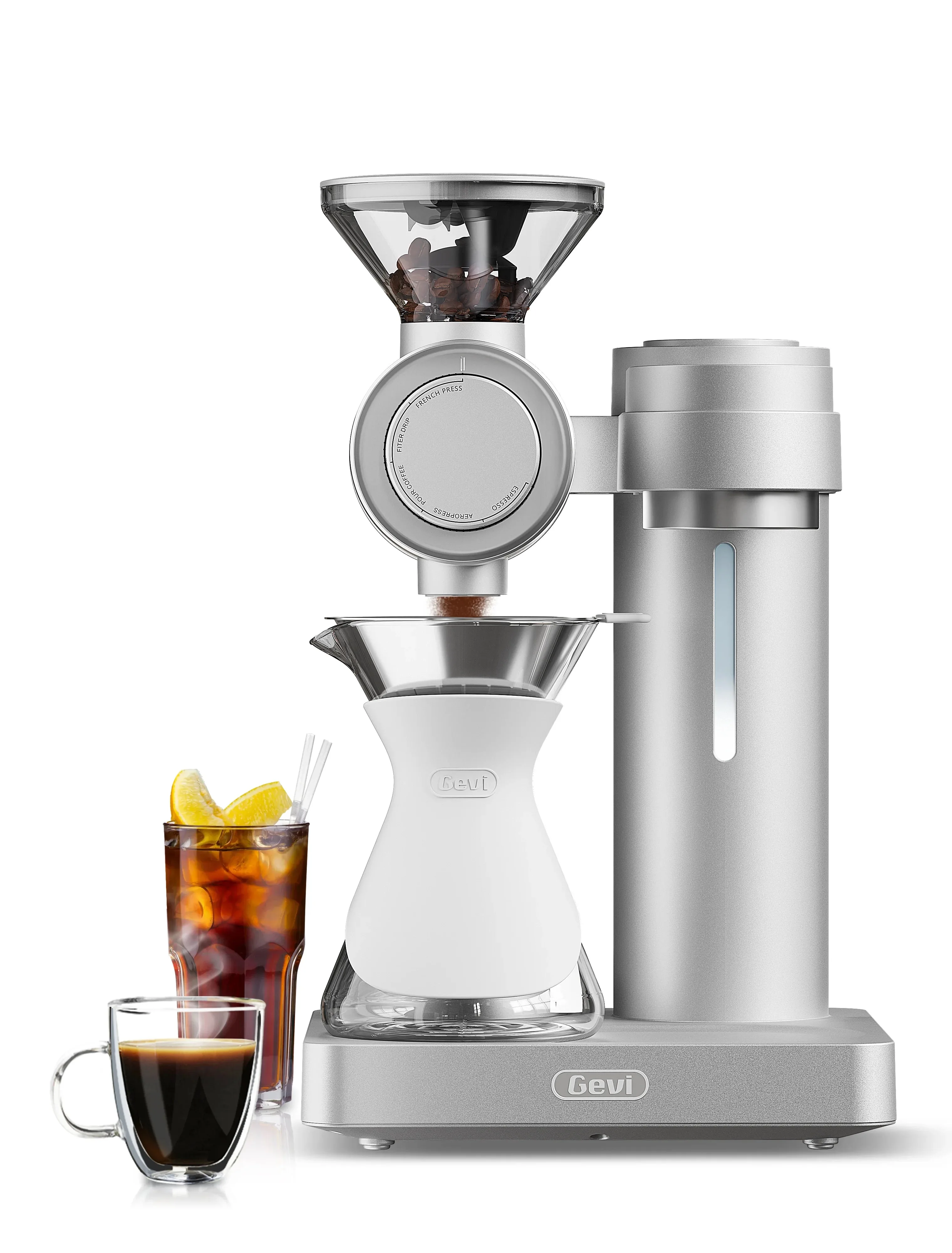
The Gevi 4-in-1 is the showoff of this group. A robotic arm that executes spiral pour patterns, center pours, agitation sequences. It looks ridiculous and also works really well.

We spent two weeks programming recipes for iced coffee. Barista Mode lets you set high-turbulence bloom patterns for maximum extraction, then dial back to gentle pulse pours calculated for ice dilution. Watching the arm trace geometric patterns over the coffee bed kept our guests glued to the counter.

The all-in-one setup is the real selling point. Integrated grinder with 51 settings, built-in scale, kettle with temperature control. No separate equipment cluttering the counter. We ran a honey-process Pacamara from SEY through it using a custom recipe. The precision pour drew out sweetness we missed with our manual technique.

The learning curve took us five days to feel comfortable. Altitude calibration, recipe programming, variable adjustments. Casual users will feel lost. The app helps but could be better organized.

Also the grinder retention is higher than we'd like. About 0.4g per dose gets stuck in the chute. For most users that's fine. For people who weigh everything, it's annoying.

Best Family

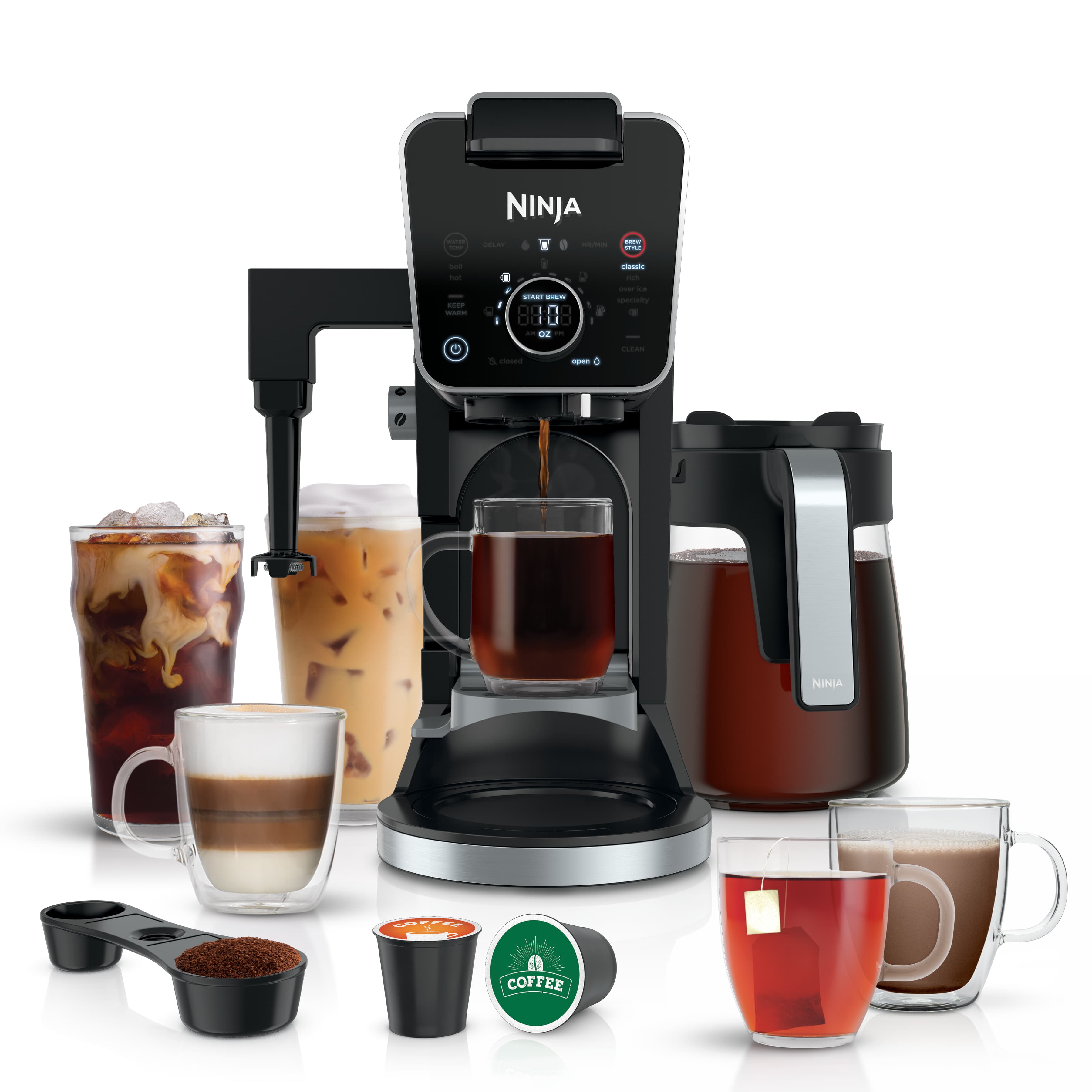
Ninja DualBrew Pro CFP301

  • K-Cup + Grounds Compatibility
  • Over Ice Concentration Mode
  • Specialty 4oz Concentrate
  • Integrated Cold Foam Frother
Approx $180

The Ninja DualBrew Pro lives in our break room. It handles the colleague who wants a K-Cup in 90 seconds and the one who wants properly brewed iced coffee from fresh grounds. Everyone's happy.

Over Ice mode runs cooler than normal brew (200°F vs. 205°F) and cuts volume by half. The lower temp reduces bitter phenol extraction before ice quenching. We tested a Costa Rican SL-28 from Brandywine across the two modes. Over Ice gave us clean, bright acidity. Regular mode tasted flat after ice dilution. The engineering difference shows up in the cup.

Specialty mode pumps out a 4oz concentrate for milk drinks. Not real espresso. No 9-bar pressure here. But it's dense enough that a splash of oat milk doesn't turn it into brown water. We made iced lattes for a week straight. Solid results.

The frother holds cold foam structure for 3-4 minutes. That's longer than most standalone frothers we've tested. The kids in the office have been making their own Starbucks knockoffs.

It's not the best at any single thing. But for households where people want different things from the same machine, this covers all the bases without fighting about counter space.

Most Innovative

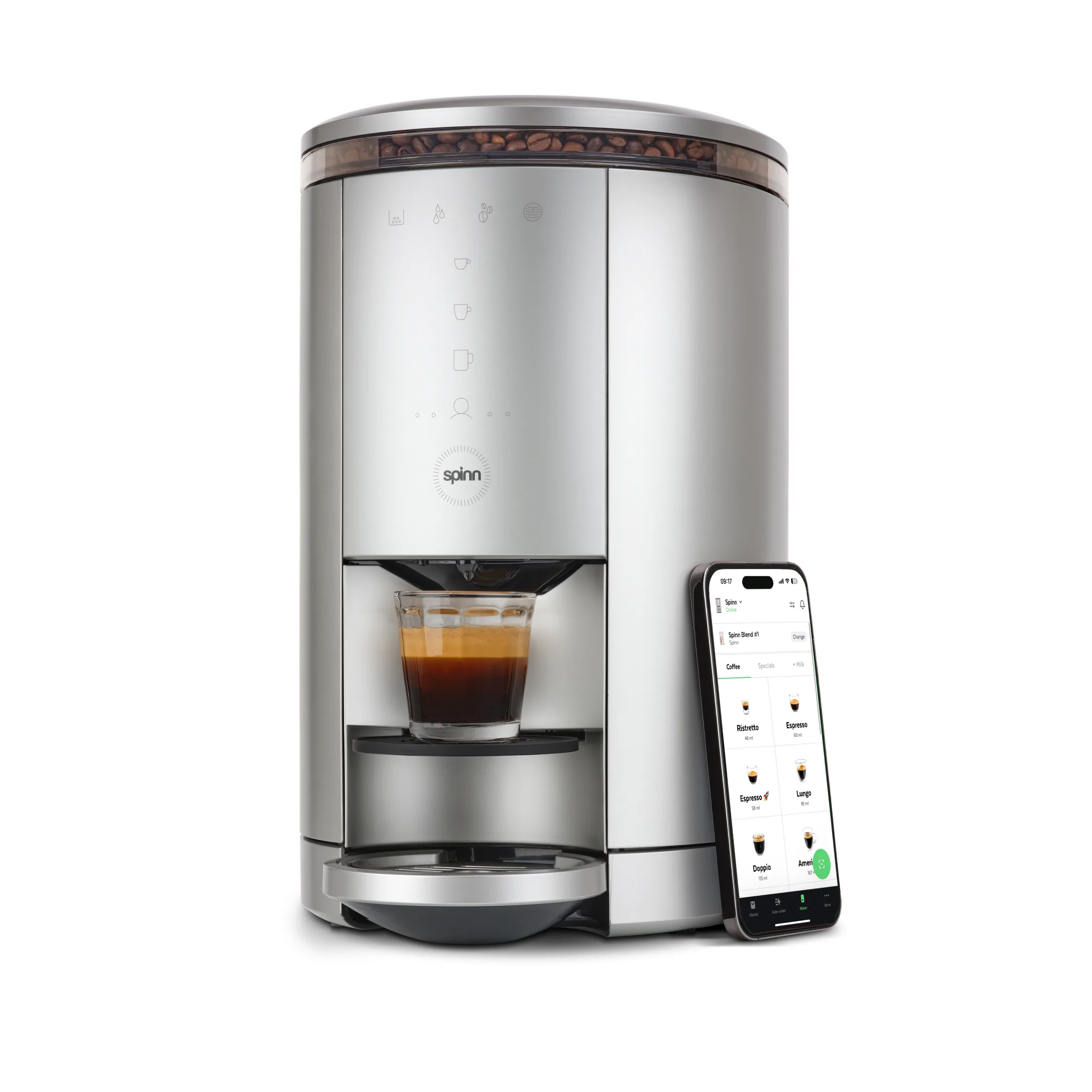
Spinn Spinn Pro

  • 5000 RPM Centrifugal Brewing
  • 60-Second Cold Brew
  • Nitro-Style Foam Texture
  • IoT Roaster Profiles
Approx $999

The Spinn Pro does something weird. No gravity drip, no pump. A centrifugal drum spins at 5,000 RPM and forces water through coffee using G-force. Cold brew in 60 seconds instead of 24 hours.

We didn't believe the claims until we tested it. The high-speed spinning creates aggressive mechanical agitation that strips solubles faster than passive diffusion. The output comes out aerated with a creamy texture like nitro cold brew. No nitrogen involved. Just physics.

Variable RPM is where it gets interesting. We ran the same Rwandan Bourbon from Passenger at different speeds. Low speed (800 RPM) gave us something like a gentle drip brew. High speed (4,500 RPM) produced an almost espresso-like density. Same beans, different beverages. Took us a week to figure out what speeds worked for what.

The downsides are real. Cloud dependency means if their servers go down, features disappear. Happened twice during our testing. The brew is more turbid than filtered methods. Some people don't mind. Some hate it. Supply chain issues mean replacement parts take forever.

Early adopters who want something genuinely different will find this fascinating. People who want reliable daily coffee should look elsewhere.

Best Budget

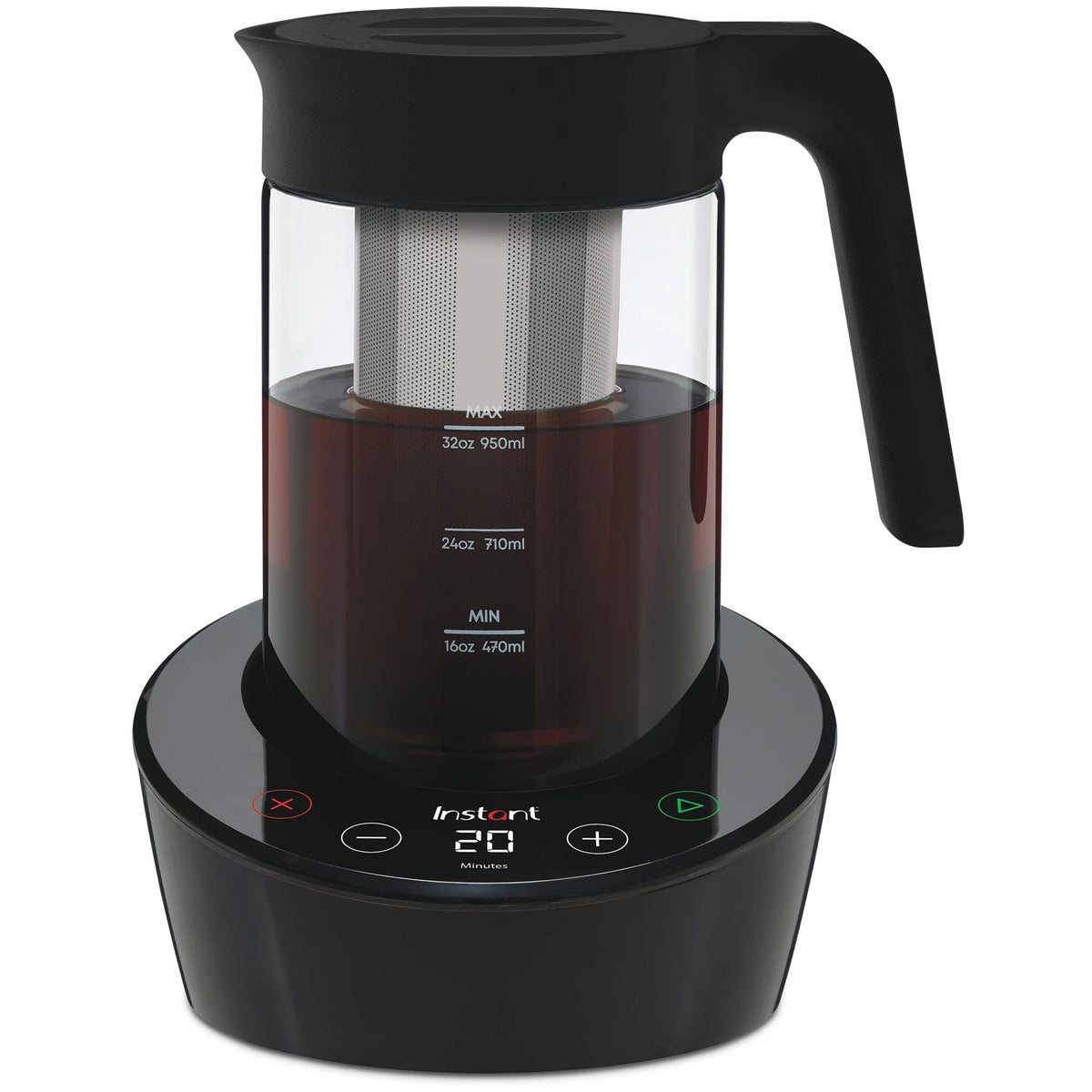
Instant Instant Cold Brewer

  • Vacuum Pressure Cycling
  • 15-20 Minute Cold Brew
  • Entry-Level Price Point
  • Simple Pitcher Design
Approx $60

The Instant Cold Brewer is the budget pick in this lineup. Makes cold brew in 15-20 minutes. For a lot of people that's exactly what they need.

The vacuum pump lowers pressure in the chamber, expanding gases trapped in the coffee grounds. When pressure releases, water rushes into the opened pores. The recirculation keeps refreshing contact. Passive diffusion that normally takes a day happens in minutes. It's clever engineering for the price point.

We ran a Guatemalan Caturra from George Howell through it side by side with a 24-hour Hario cold brew tower. Different animals. The Instant produces bold, caffeinated coffee with more turbidity. The Hario gives you that smooth, clean concentrate. Neither is wrong. They're just different goals.

Aggressive extraction means more oxidation and a rougher texture. If you're mixing with milk or simple syrup, you won't notice. If you drink it black and care about subtlety, you might.

Our intern bought one after testing and uses it daily. Says it's better than the cold brew at the chain shop near her apartment. That's probably the right benchmark. Not cafe perfection but way better than the alternative of not planning ahead.

Best Luxury

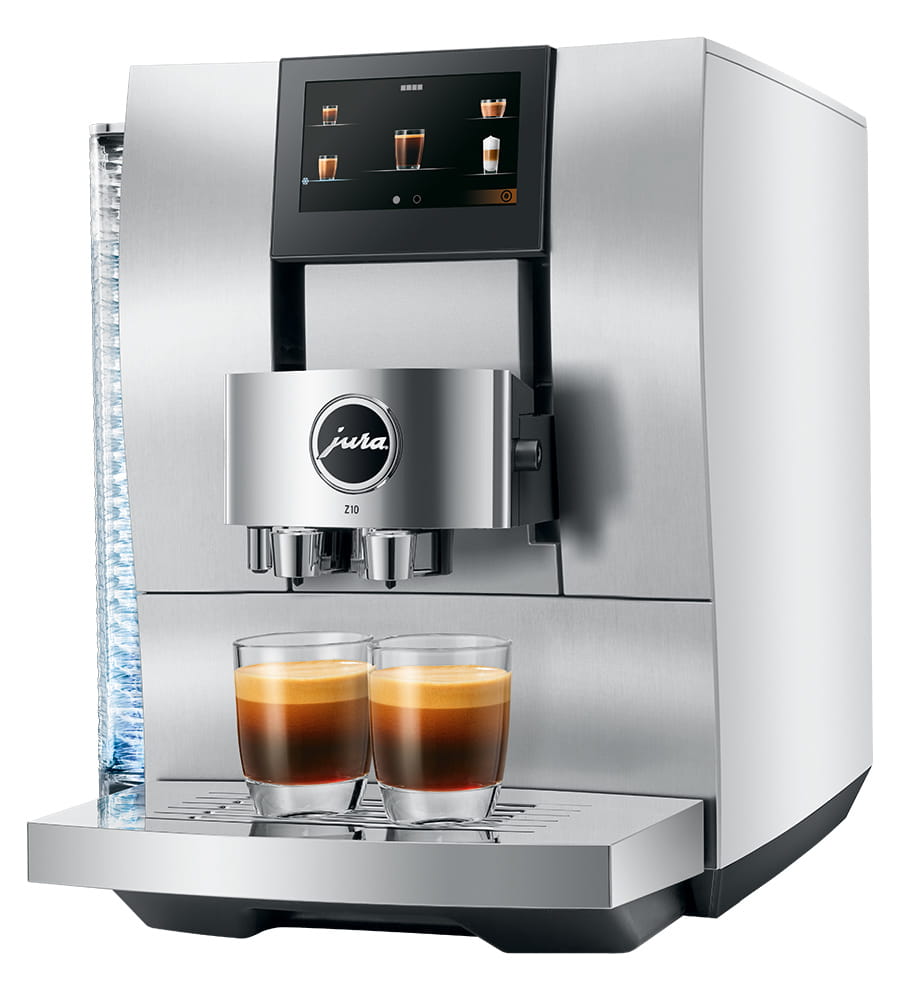
Jura Z10

  • High-Pressure Cold P.E.P.
  • P.R.G. Auto-Adjust Grinder
  • Automatic Hot/Cold Milk
  • Swiss Engineering
Approx $4,199

The Jura Z10 is the luxury option in this roundup. We questioned whether to include it. Then we tasted the cold extraction and understood why people pay premium money for this.

It's the only super-automatic doing real high-pressure cold extraction. Not hot espresso cooled down. Not cold brew concentrate. Actual cold water pulsed through a coffee puck under pressure. Cold water has higher viscosity than hot water so this should choke any machine. The Z10's grinder automatically coarsens when you select cold brew, adjusting hydraulic resistance on the fly.

The P.E.P. system pulses cold water through the puck and emulsifies oils that paper filters would trap. We ran a Burundian natural from Proud Mary through it. The output was viscous. Sweet in a way hot extraction can't match because no heat-degraded sugars. There's this weird crema-like foam on top that shouldn't exist.

It's not espresso. It's not cold brew. It's a third category Jura invented. Cold espresso with body that hot brewing destroys and clarity that immersion can't achieve.

For most people, the Aiden or Breville get you 90% of the way at a fraction of the cost. But if you want this specific category of beverage, there's no alternative.

Why most iced coffee makers fail

Three failure modes. One machine in this roundup hit all three. Most hit at least one.

Hot Bloom: The Aromatic Key

Fresh coffee is full of trapped CO2. Hot water forces it out in seconds. Cold water doesn't. The gas sits in the grounds, blocking even contact and producing extraction that tastes hollow on one side, over-extracted on the other. A 30-second bloom at 94°C collapses that problem. Heat also pries open the cellular matrix and forces the lipids out. The lipids are where the aroma is. Cold water alone never gets to them. This is why the Aiden outperformed every cold-only machine on our bench.

Flash Brew vs. Cold Immersion

Flash brew and cold immersion are not competing methods. They produce different beverages. Flash brew quenches full hot extraction over ice. The aromatics lock in before they evaporate, which is why you can taste the origin in a way cold water cannot replicate. Cold immersion takes 12-24 hours and produces something else entirely: low acid, low brightness, heavy body. We drink flash brew black. We drink cold brew with oat milk. Pick the method based on how you drink it.

The Dilution Problem

Standard brewers don't know ice exists. They brew to 1.35% TDS, the ice melts, you end up drinking 0.7% beige water. Machines with Over Ice modes do the reverse calculation. If this much ice melts into this much liquid at this temperature, I need to hit 2.1% TDS out of the spout to land at 1.35% in the cup. The Braun's ExactBrew flow meter made this math precise enough that we got consistent post-dilution results across eight consecutive brews.

verified
The Final Verdict

Our Recommendation

The Aiden made us second-guess our manual pour-over setup for iced coffee. That 8.7-second thermal transition is the difference. We hit 1.95% TDS with ±0.08% variance across five brews. Nothing else on this list touched that consistency.

Fellow Aiden

star star star star star (Editor's Choice)
  • Hot Bloom Technology
  • Thick-Film Thermocoil
  • Roaster Profile Downloads
Check Best Price

Frequently Asked Questions

What's the difference between iced coffee and cold brew?

add

Iced coffee (flash brew) uses hot water to extract, then immediately cools over ice, preserving bright acidity and aromatics. Cold brew uses cold water for 12-24 hours, producing a smooth, low-acid concentrate. They're chemically distinct beverages.

Why does my iced coffee taste watery?

add

Standard brewers don't account for ice dilution. Machines with dedicated 'Over Ice' modes brew a concentrated shot calculated to hit proper strength after ice melts. Or use the flash brew method with pre-calculated ratios.

Is 60-second cold brew as good as 24-hour cold brew?

add

Different, not worse. Rapid extraction via centrifugal force (Spinn) or vacuum cycling (Instant) produces a bolder, more turbid brew. Traditional 24-hour immersion is smoother and cleaner. Both are valid approaches to different flavor goals.

Do I need a dedicated iced coffee maker?

add

If you drink iced coffee daily, yes. The automation of dilution calculations, temperature profiling, and flash cooling produces consistently better results than pouring hot coffee over ice. The Fellow Aiden's Hot Bloom mode alone justifies the purchase for serious iced coffee drinkers.